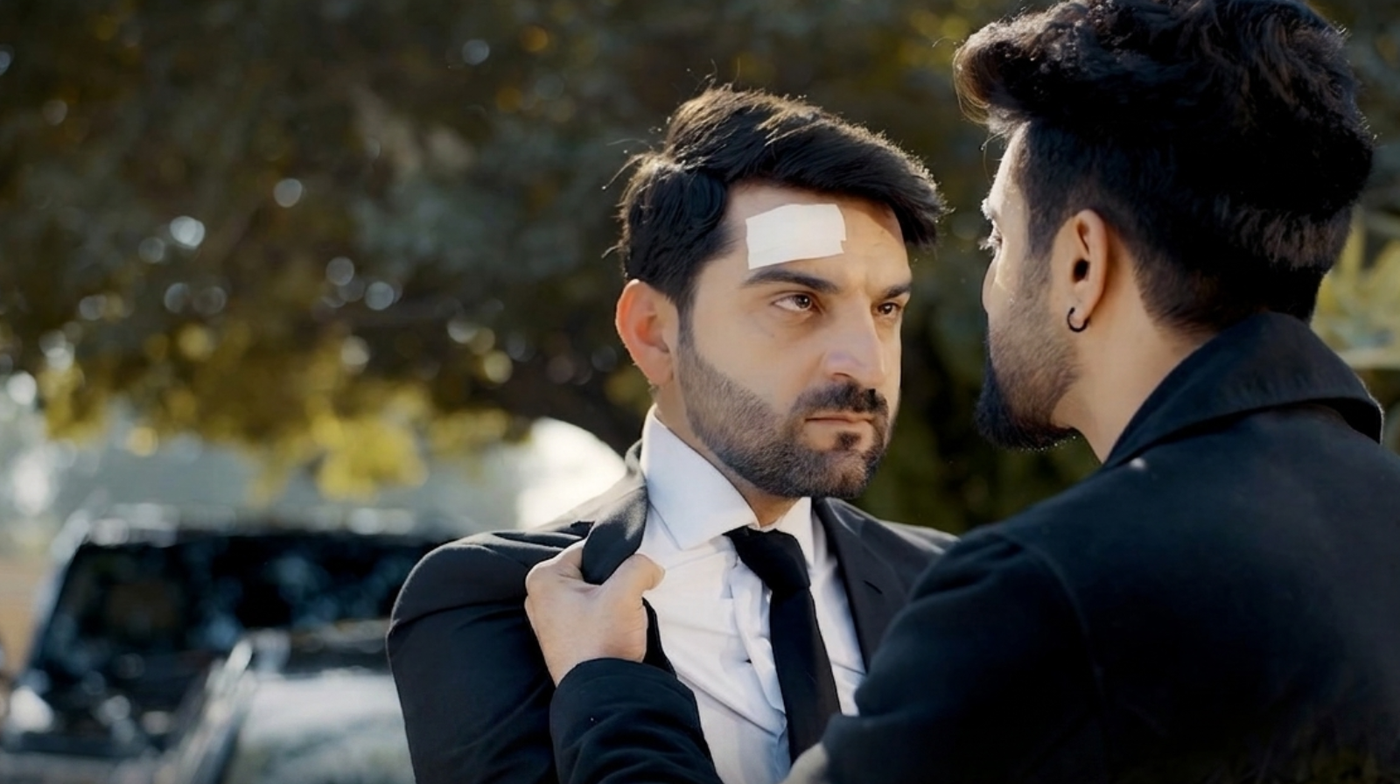
In the lively world of Pakistani television, few dramas have captured the public’s attention like Shaidai. This ongoing production by Geo TV and Har Pal Geo, created by 7th Sky Entertainment, features Feroze Khan as the determined Ali Khan and Sahar Hashmi as the strong-willed Miraal. Since its premiere in April 2026, the show has become a ratings leader. Directed by Ali Faizan and written by Saqlain Abbas, Shaidai tells a story of passionate love challenged by class differences, hidden identities, revenge, and family drama. Its emotional depth, intense chemistry between the leads, and high-stakes plot have led to strong viewership and YouTube engagement, often placing it at the top of the charts.
However, success in the Pakistani drama industry often comes with pushback. What started as standard post-episode discussion on a television review panel recently sparked a heated online debate. It revolved around veteran actress and critic Sadia Imam’s remarks during an episode of Kya Drama Hai. Instead of just praising Feroze Khan’s performance, Imam pointed out the noteworthy contributions of supporting characters, especially Yaqoob, played by Hadi. Yaqoob, Ali’s devoted driver, is a character who handles complex tasks with strong dedication. Imam suggested that such roles, and strong villain arcs, often give the story the weight needed to keep viewers engaged in long-running series.
This insightful comment, likely meant to celebrate ensemble storytelling, was taken by many fans as an attempt to undermine Feroze Khan’s star appeal and the emotional essence he brings to Ali Khan. Social media erupted almost immediately. Hashtags about Shaidai began trending, with fan pages and entertainment accounts accusing critics of bias against mainstream actors who have huge global followings. Clips from the review spread across X (formerly Twitter), TikTok, and Instagram, igniting discussions that contrasted “objective critique” with “fandom loyalty.”
Shaidai is genuinely both a critical and commercial success. IMDb ratings hover around 9.0, showing strong audience approval for its storytelling and performances. regularly achieve millions of views on official and fan-uploaded platforms, with the chemistry between Feroze Khan and Sahar Hashmi frequently praised in reviews. The drama’s production values—cinematography, direction, and original soundtrack—contribute to its appeal, making it a standout entry in the 2026 romance-thriller category.Sadia Imam’s remarks, shared during the Kya Drama Hai panel with Nadia Khan and , centered on the importance of supporting characters and antagonists. She specifically praised Yaqoob’s character for having significant screen time and delivering a multi-layered performance, highlighting how domestic or minor roles rarely get such prominence. This observation aligns with broader trends in Pakistani dramas, where side characters often drive subplots involving loyalty, revenge, and moral complexity. Imam’s viewpoint was echoed by other panelists who discussed impactful villainous portrayals, including ’s Aeliya.There is no evidence for claims of coordinated agendas or malicious intent. Entertainment critique, by its nature subjective, often sparks debate. However, unfounded accusations of bias risk oversimplifying genuine discussions about narrative balance. Fans defending Feroze Khan understandably feel protective; his portrayal of Ali Khan, a man grappling with power, vulnerability, and redemption, builds on his established reputation from hits like Khaani and Ishqiya. His dedicated fanbase, reaching across Pakistan, India, and the diaspora, sees his work as central to the drama’s success.On the flip side, television purists wisely point out that strong ensemble performances enhance the overall production. Supporting actors like Yaqoob bring authenticity and depth, preventing the story from becoming too focused on the leads. This dynamic reflects classic Pakistani dramas, where memorable secondary characters leave lasting impressions.The controversy highlights deeper changes in how media is consumed. Traditional review panels, grounded in industry experience, often focus on craft, pacing, and thematic coherence. Modern digital fans, driven by social media algorithms, prioritize emotional connection and star charisma. When a critic emphasizes the contributions of a “driver” character, fans might see this as undermining the lead's dedication—the effort and intensity that resonate with viewers.This tension mirrors global entertainment trends. In today’s instant feedback , audiences seek validation for their tastes. Feroze Khan’s fans quickly mobilized, boosting views and trending topics, showcasing the influence that audiences now have. Yet, dismissing professional critiques can lead to echo chambers. A more balanced appreciation—for both leads and supporting —can strengthen the industry.Social media captures a range of opinions:- Fans defending Feroze: “Feroze Khan puts his heart into every scene. His performance is why Shaidai leads the charts.”- Supporters of critique: “Supporting actors contribute significant emotional weight. Recognizing that doesn't take away from the leads’ contributions.”These exchanges reflect a healthy, albeit intense, dialogue about the evolution of storytelling.Shaidai appears at a time when Pakistani television is modernizing. Audiences are demanding bolder stories, complex characters, and realistic portrayals of love, ambition, and conflict, all while respecting cultural sensitivities. The drama explores themes of hidden identities, revenge cycles, and redemptive love, tapping into universal ideas, reinforced by strong performances.Feroze Khan’s stardom undeniably enhances visibility, but the production's success also relies on collective talent: Sahar Hashmi’s portrayal of Miraal’s resilience, the seasoned actors’ gravitas, and tight scripting. Review panels like Kya Drama Hai play an important role in fostering industry introspection, even when their views differ from popular opinion.It seems plausible that this momentum will continue. Fan mobilization frequently correlates with higher ratings and digital engagement. Future episodes might see panels adjusting their tone based on audience feedback—a sign of the democratizing impact of social media. Ultimately, such controversies spark interest and ensure Shaidai remains a must-watch.The Shaidai review controversy highlights a growing media landscape. Critics provide informed perspectives shaped by experience, while fans offer passionate investment that sustains the industry. Instead of polarization, this moment calls for synthesis: we should celebrate Feroze Khan’s strong lead presence and recognize how characters like Yaqoob enrich the story. Sadia Imam’s remarks, viewed in context, emphasize ensemble strength—an outlook that enhances storytelling when embraced collaboratively.As Shaidai continues airing, with episodes released every Wednesday and Thursday at 8 PM on Har Pal Geo, it’s up to viewers to determine its legacy through their engagement. Whether one agrees with panel analysis or aligns with fervent fans, the drama’s ability to evoke thought and emotion confirms its cultural significance. In Pakistan’s vibrant entertainment space, such discussions indicate growth, not division. They remind us that television’s true power lies in connecting diverse voices through shared narratives of love, loyalty, and resilience.In an industry often criticized for repetitive plots, Shaidai stands out for its ambition. The ongoing debates only raise anticipation for upcoming twists—will Ali and Miraal’s bond survive future revelations? How will supporting plots intertwine? These questions keep audiences engaged, proving that great drama flourishes in both light and shadow.Watch Shaidai on and engage thoughtfully in conversations shaping the future of Pakistani television.
Is "Shaidai" a one-man show? Explore the viral clash between Feroze Khan fans and critic Sadia Imam over Geo TV's hit drama and supporting actors.