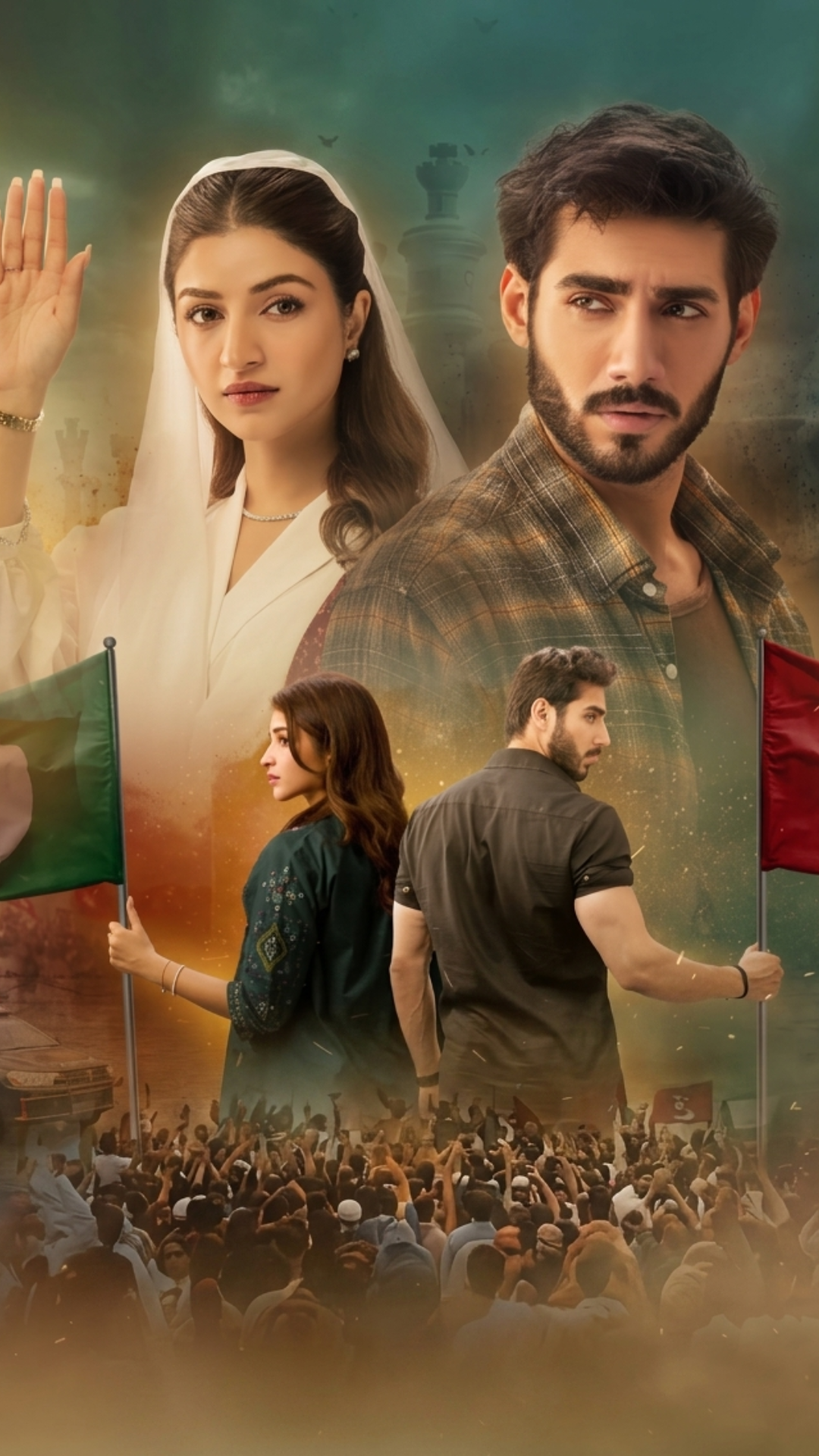
In the dynamic and often predictable landscape of Pakistani television, a drama occasionally emerges that doesn't just entertain but profoundly resonates, challenging norms and igniting conversations. Such is the electrifying phenomenon of Leader, the prime-time weekend flagship serial currently captivating audiences on HUM TV. From its gripping narrative to its stellar performances and revolutionary spirit, Leader has swiftly carved a niche for itself, becoming a cultural touchstone that defies easy categorization and demands introspection. It’s more than just a drama; it is a pulse-pounding social thriller wrapped in a forbidden romance, bravely venturing into the thorny world of student politics and generational feudalism, delivering a raw, unapologetic portrayal of struggles that feel acutely relevant to our times.
The Narrative
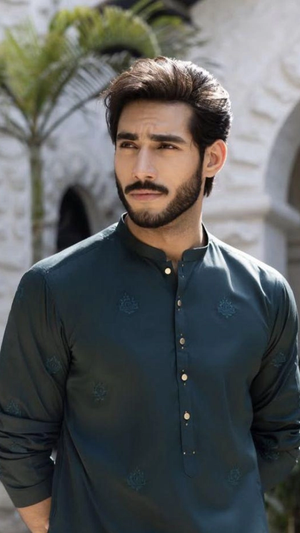
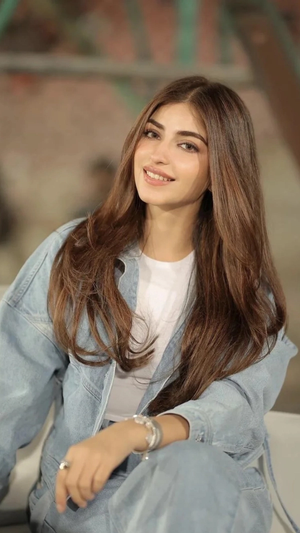
Leader plunges viewers headfirst into the high-stakes, highly charged world where ideology and entrenched power structures violently collide. At its core is Mansoor, portrayed with an explosive intensity by Ali Raza, an intelligent and resilient farmer's son. He enters the university political arena not for personal gain, but with a singular, fervent vision: to dismantle the generational clutches of feudal oppression and forge a fairer society. His journey is one of relentless conviction, a young man armed with ideals against an antiquated, brutal system. However, the narrative masterfully complicates this revolutionary path when Mansoor falls deeply in love with Rubab, a strong-willed young woman brought to life with elegant delivery by Kinza Hashmi. The devastating truth reveals itself: Rubab is the daughter of the very tyrannical feudal lord, Dada Sahib, whom Mansoor is actively striving to overthrow.
This excruciating dilemma forms the dramatic fulcrum of Leader. Mansoor finds himself torn between his revolutionary ambition to free his people and his profound, unexpected love for Rubab. The series meticulously navigates violent campus rivalries, deep-rooted family betrayals, and devastating sacrifices, forcing Mansoor to confront whether love will weaken his revolutionary resolve or redefine his ultimate purpose entirely. The canvas is broad, stretching from gritty university lecture halls and political grounds to the intimidating luxury of rural feudal fortresses and agricultural estates, each setting underscoring the stark contrast between the two worlds Mansoor straddles. As the story unfolds with dizzying speed and suspense, viewers are held captive, desperate to see how this impossible love story will impact a revolution. The drama doesn't shy away from powerful declarations of intent, giving voice to the simmering discontent that defines its world.
Awaam ko ghulam rakhne ka tumhara waqt ab khatam ho chuka hai.
Such dialogues, delivered with conviction, become rallying cries within the narrative, resonating far beyond the screen. The intense campus debate speech sequences where Mansoor rallies the student union, and the emotionally devastating episode sequence showcasing the cruel treatment of Mansoor’s sister by the feudal elders, have already become viral moments, proving the drama's profound emotional and intellectual impact.
Character Analysis
The success of Leader rests significantly on its brilliantly etched characters, brought to life by a powerful ensemble cast. Ali Raza, as Mansoor, delivers a breakout performance that is nothing short of electrifying. He embodies the complex protagonist with a searing intensity, portraying a young man whose unwavering ideological vision is constantly tested by the realities of love, power, and betrayal. His screen presence is immense, capturing both the fiery orator and the vulnerable lover with remarkable authenticity. Viewers are rooting for Mansoor not just as a revolutionary, but as a human being caught in an impossible bind.
Kinza Hashmi, as Rubab, provides the emotional counterpoint to Mansoor’s ideological drive. Her portrayal of a strong-willed young woman unknowingly trapped by her own heritage is nuanced and deeply empathetic. Rubab is not merely a love interest; she is a woman grappling with her identity, her loyalty to her family, and her burgeoning feelings for a man who represents everything her world fears. Her elegant acting delivery perfectly captures Rubab’s internal conflict, making her a character of profound sympathy. Yousuf Bashir Qureshi, as Dada Sahib, personifies the systemic feudalism and deeply corrupted institutional power that serves as the core antagonistic force. His portrayal is terrifyingly authoritative, making Dada Sahib a formidable and believable villain whose oppressive grip feels palpably real. The drama benefits from a robust supporting cast, including stalwarts like Farhan Tahir, Ali Safina, Nadia Hussain, and Samia Noreen, who add depth and texture to the unfolding drama, each contributing to the rich tapestry of this high-stakes world.
Themes & Social Commentary
Leader distinguishes itself through its brave and incisive exploration of pivotal social and political themes, making it a rarity in contemporary Pakistani dramas. At its heart lies the sincere ideological rebellion against generational feudalism, a deeply entrenched issue in many parts of society. The drama doesn’t just show feudalism; it dissects its insidious mechanisms, from economic exploitation to social control and the crushing of individual freedoms. It courageously highlights the toxic weaponization of student politics, revealing how noble ideals can be corrupted by power struggles, personal vendettas, and institutional manipulation. This raw, unapologetic depiction of student unions and campus power plays has generated fierce political debates across social media, a testament to its thought-provoking resonance.
Beyond the political, Leader delves into the profound internal war between individual romantic devotion and socio-political duty. Mansoor's dilemma forces a crucial question: can one truly lead a revolution if their heart is entwined with the very system they seek to destroy? This high-tension moral quandary elevates the drama beyond a simple love story or political thriller, making it an intellectually stimulating social commentary. Writer Radain Shah deserves immense applause for breaking away from typical domestic "saas-bahu" plot lines to deliver a gritty, intellectually stimulating social thriller that demands its audience think, question, and engage with uncomfortable truths. The moral of the story, as it unfolds, subtly hints that true leadership is born from selflessness and genuine sacrifice, but a revolution built on the deceit of innocent hearts carries heavy internal consequences. This layered thematic approach is why Leader is frequently compared to classic narrative-heavy political and student campus dramas that focus heavily on social revolution and forbidden elite matches.
OST & Aesthetic
The immersive experience of Leader is amplified significantly by its outstanding original soundtrack and meticulous aesthetic direction. The OST, "Insaan Yahan," sung by the powerful voices of Asrar Shah and Qasim Dahir, has garnered exceptional digital footprint and universal praise. Its high-energy, revolutionary undertones, coupled with soulful Punjabi vocal composition, perfectly encapsulate the drama's spirit and emotional core. The music doesn't merely accompany the visuals; it elevates them, becoming an integral part of the narrative's emotional thrust and a rallying anthem for Mansoor's cause.
Visually, director Asad Mumtaz Malik has crafted a world that feels both expansive and intimate. The sweeping, gritty university campus scenes are starkly contrasted with the opulent yet intimidating rural feudal fortresses, each shot meticulously framed to convey the inherent power dynamics and class divide. This visual storytelling enhances the narrative's tension, making the clash between Mansoor’s idealism and Dada Sahib’s entrenched power palpable. The production quality, synonymous with Momina Duraid Productions, is top-notch, delivering a cinematic experience to the small screen. Leader has been a massive weekend success, consistently locking down top viewership ranks for its highly competitive Sunday 9:00 PM slot on television networks. On digital platforms, its reach is equally impressive, with Episode 1 exploding out of the gate with over 8.5 million views on HUM TV’s official YouTube channel, and subsequent weekly uploads consistently amassing between 3.0 to 4.2 million views each. This extensive digital footprint, accompanied by weekly demands from the viewer community to air Leader twice a week regularly trending on social networks, alongside video edits of Mansoor’s speeches under `#Leader`, speaks volumes about its undeniable impact and connection with its audience.
Final Verdict
Leader stands as a monumental achievement in Pakistani drama, an absolute must-watch masterpiece that brilliantly balances intense social commentary with a gripping, heartbreaking romance. It is a show that not only entertains but provokes, challenges, and inspires, offering a fresh, bold narrative that breaks free from conventional molds. The stellar acting performances, particularly from Ali Raza and Kinza Hashmi, coupled with Radain Shah's insightful writing and Asad Mumtaz Malik's sharp direction, create an unforgettable viewing experience.
For young adults, university students, politically conscious viewers, and fans of high-tension, socially relevant romantic thrillers, Leader offers unparalleled engagement. Its rapid, suspenseful political chess matches, gripping campus rivalries, and stellar acting performances give it incredible replay value, ensuring it will be revisited and discussed for years to come. While the story is still actively broadcasting its first-run episodes, and the final chapter remains unwritten, Leader has already solidified its position as a frontrunner for multiple Best Actor, Best Serial, and Best OST categories in future television award cycles. It's not just a domestic household hit in Pakistan, but an extensive weekly digital trending phenomenon across South Asian diaspora networks in the UK, USA, and India. This is a drama that everyone needs to be watching, a testament to the power of storytelling when it dares to be bold, relevant, and profoundly human.