Lights, Camera, Revolution! Can Maryam Nawaz's Film City Finally Bring Pakistan Drama Its Hollywood Moment?
Ever felt that surge of excitement watching a Pakistani drama, only to wonder, "What if... what if our industry had *more*?" More resources, more cutting-edge tech, more of that grand, cinematic magic we crave? Well, hold onto your remotes, because Punjab Chief Minister Maryam Nawaz has just dropped a headline that’s shaking up the entire entertainment landscape: a sprawling 50-acre Film City is coming to Lahore! It's an announcement that's sparked a whirlwind of hope, skepticism, and enough social media buzz to power a blockbuster. But is this the real deal, the game-changer we've been waiting for, or another dream that's too big to come true?
The Arrival of the Cinematic Utopia
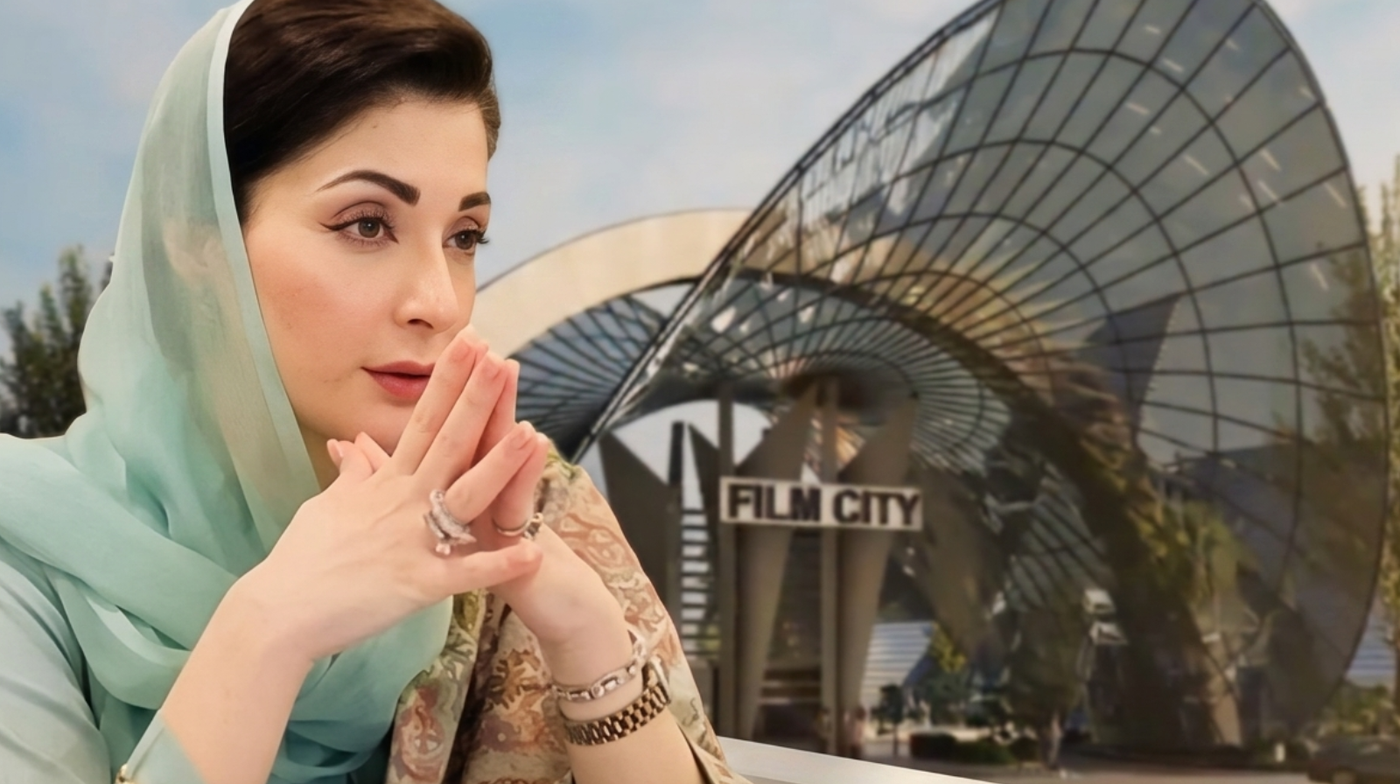
Imagine a place where every element of storytelling, from the initial script read to the final dazzling visual effect, lives under one roof. That's the vision Maryam Nawaz has unveiled for the 50-acre Punjab Film City, nestled within the ambitious Nawaz Sharif IT City in Lahore. Announced as a monumental step towards breathing new life into Pakistan's long-struggling media and entertainment industry, this isn't just about building a few studios; it's about crafting an "end-to-end" media production hub.
We're talking state-of-the-art studios, sound stages that can capture every whisper and explosion, and advanced visual effects (VFX) and post-production laboratories designed to eliminate our reliance on foreign services. Beyond the technical wizardry, plans include comprehensive shooting facilities, purpose-built sets, and even a central lake to serve as a stunning backdrop for large-scale productions. And for the next generation of storytellers, dedicated film and music schools will rise, promising to nurture talent right here at home. This isn't just an infrastructural marvel; it's a defiant statement that Pakistan's creative economy is ready for its close-up, aiming to generate thousands of direct and indirect jobs and boost sectors like animation and digital media.
Why Social Media is Divided Today
The announcement, as expected, has sent ripples across Pakistan's digital landscape, sparking a lively, and often heated, debate:
The Optimists are Hyped: Many are ecstatic, seeing this as a long-overdue investment in our dormant film industry. The promise of international-standard facilities and reduced reliance on foreign post-production is a major win for local talent.
The Skeptics are Eye-Rolling: A significant portion of the online community is questioning the feasibility and execution. Concerns about political will, consistent funding (despite the Rs 100 billion estimated cost for the larger IT City project with Rs 10 billion seed funding), and the project actually seeing completion are rampant. "Promises, promises," is a common refrain.
The 'Priorities First' Brigade: Some argue that while a Film City is great, there are more pressing issues facing the country that demand government attention and funds.
The Nostalgia Crew: Many are fondly remembering the "golden era" of Lollywood and hoping this project can truly resurrect that magic, but with a modern twist.
Artists See Hope (and Grants): The announcement also came with news of financial assistance for filmmakers – 32 individuals receiving Rs 30 million each, and plans for a second application round, bringing a tangible glimmer of hope to many struggling artists.
Analysis: The Psychology of a Cinematic Revival
This isn't just about bricks and mortar; it's about a nation's narrative. For decades, the Pakistani entertainment industry has limped along, often struggling with outdated infrastructure, limited resources, and a brain drain of talent seeking better opportunities abroad. The psychological impact of a state-of-the-art Film City could be monumental. It's a statement of belief in local stories, local artists, and local potential.
Beyond the economics of job creation and the technological leap in production quality, this Film City could foster a renewed sense of pride and ownership. Imagine the confidence of filmmakers knowing they have cutting-edge VFX labs at their disposal, or the surge of creativity knowing a purpose-built set is ready for their vision. It aims to reduce reliance on foreign services, not just for cost-efficiency but for creative sovereignty. Moreover, the establishment of film and music schools within the complex suggests a long-term commitment to talent development, ensuring a sustainable pipeline of skilled professionals. This isn't just building a physical space; it's an attempt to build an ecosystem, a culture of excellence that can finally allow Pakistani dramas and films to truly shine on the global stage.
What the Fans are Saying (And Trolling)
"Okay, but can we *please* get better scripts too? A fancy film city is great, but if we're still watching cousins marry each other, what's the point? #PakistaniDrama #FilmCity"
"Finally! A place where our VFX won't look like they were made on a 2005 Nokia phone. Maryam Nawaz, do your magic! ✨ #LollywoodRevival"
"50 acres is huge! Imagine the epic scale dramas and movies we could get. Fingers crossed this isn't just another launch ceremony for the cameras. Need to see actual progress, not just promises. #ShowMeTheSets"
"They said it would be 'end-to-end.' Does that mean they'll also handle the inevitable internet trolling when a drama goes off the rails? Asking for a friend. 😂 #FilmCityLahore"
My Prediction: The Phoenix Project
I predict that this Film City, despite initial hurdles and inevitable political debates, will indeed emerge as a pivotal catalyst for the Pakistani entertainment industry. It won't be an overnight transformation, but a gradual, impactful shift. The physical infrastructure, coupled with the announced financial grants and educational institutions, will undeniably attract a surge of talent and investment, both local and international. Expect to see a noticeable improvement in production quality within the next 3-5 years, especially in cinematography, visual effects, and sound design. While some initial projects might still feel familiar, the sheer potential of the new facilities will push creative boundaries. The "Phoenix Project" will see Lahore rise from the ashes of a neglected film industry, becoming a truly competitive regional hub for content creation.
Conclusion:
Maryam Nawaz's unveiling of the 50-acre Film City in Lahore is more than just a news item; it’s a bold declaration of intent for Pakistan's entertainment future. It’s an ambitious vision that seeks to not only revive a struggling industry but to elevate it to international standards, fostering local talent, creating jobs, and showcasing the true, vibrant face of Pakistan to the world. While the journey will undoubtedly be long and challenging, the blueprint is laid, the funds are allocated (as part of a larger project), and the promise of a glorious cinematic future now shines brighter than ever. Get ready, Pakistan, because the drama is about to get a whole lot more spectacular!