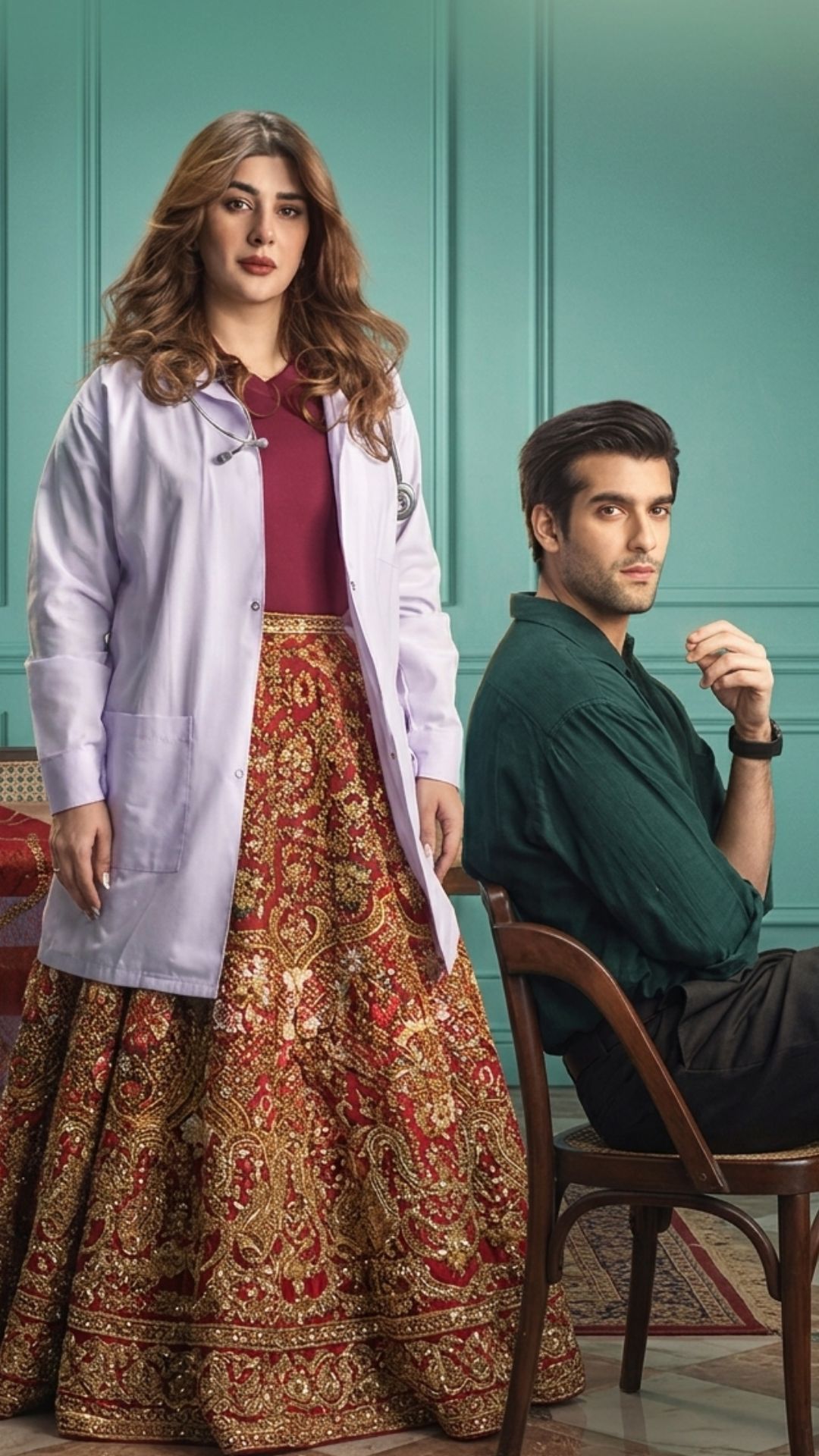
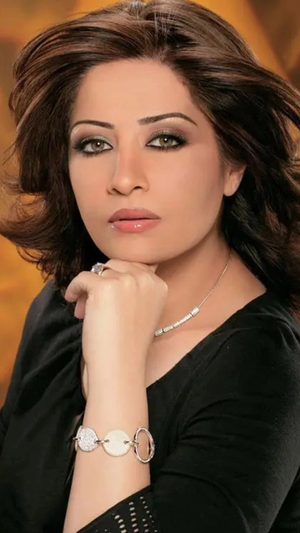
In the ever-changing world of Pakistani television, many stories follow familiar trends, but a few dramas genuinely grab our attention and spark important conversations at home and online. This season, ARY Digital’s Doctor Bahu stands out as one of those exceptional serials. Directed by the talented Mehreen Jabbar and penned with keen insight by Sanam Mehdi Zaryab, this Six Sigma Plus production has quickly become a cultural topic since its premiere on March 27, 2026. It offers more than just entertainment; it presents a thoughtful reflection of the quiet contradictions we often see in educated, “progressive” Pakistani families.
The Narrative
Doctor Bahu introduces us to an affluent family of respected doctors who seem modern and successful. However, behind their polished exterior lies a strict, unspoken rule: no woman in the house, regardless of her qualifications, is allowed to practice medicine. Their degrees are displayed as symbols of family prestige, yet their professional dreams are sidelined.
We meet Dr. Sania (Kubra Khan), a passionate and independent doctor who refuses to let her hard-earned knowledge go to waste. Married to Salman “Sunny” (Shuja Asad), the youngest son and the only non-doctor in the family, Sania's arrival shakes the family’s foundation. Her calm yet firm resolve to continue working at the hospital and pursue her FCPS reveals the deep-seated hypocrisy and gradually inspires other women in the family, like Farheen, to question their own suppressed ambitions. The story skillfully avoids common romance clichés, instead highlighting marital tensions, domestic power struggles, and the emotional toll of systemic control. Those intense drawing-room confrontations have gone viral for good reason; they resonate so strongly.
One powerful line that many of us remember captures the drama’s essence:
"Ghar bachane ke liye kisi ko apna wajood mitane ki zaroorat nahi honi chahiye."
Character Analysis
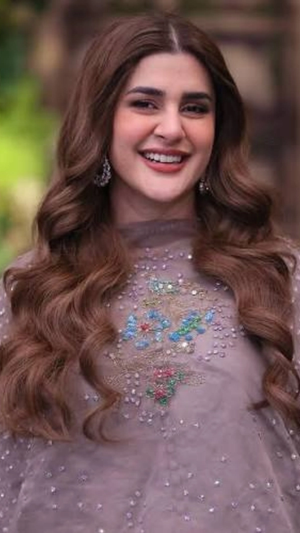
The performances in Doctor Bahu are what make it captivating. Kubra Khan shines in her role as Dr. Sania, portraying a strong, dignified, and deeply relatable character who balances respect for tradition with her determination to succeed professionally. Her nuanced performance makes Sania an inspiring figure for many women watching.
Shuja Asad excels as Salman, depicting a relatable husband caught between his wife's ambitions and his family's expectations. His internal struggle adds depth to their marriage. Shahzad Nawaz presents the patriarch Shahnawaz, who isn’t a loud villain but rather a chilling example of quiet, educated patriarchy that feels uncomfortably familiar.
The supporting cast, including Saba Hamid, Hajra Yamin, Mira Sethi, Adeel Hussain, Atiqa Odho, Marina Khan, and others, adds rich texture to the family dynamics. Their evolving stories, especially the women finding their voices, are beautifully portrayed and keep us emotionally engaged episode after episode.
Themes & Social Commentary
Doctor Bahu boldly examines the gap between appearance and reality in elite households, where education is celebrated until a woman wants to use it. It raises essential questions about women’s autonomy, the real significance of professional qualifications, and the often-hidden patriarchal control that persists even in “modern” families.
The drama has sparked meaningful discussions online about the usual South Asian practice of seeking highly qualified “Doctor Bahus” only to limit them to domestic roles after marriage. Its message is clear: real progress involves respecting a woman’s right to her identity and career, not viewing her achievements as mere decorations. This social relevance, conveyed without being preachy, makes it stand out.
OST & Aesthetic
Mehreen Jabbar’s direction brings her signature subtlety and realism, fashioning a visually elegant world of upscale homes, refined hospitals, and tense family spaces in Karachi. The production design feels authentic and cinematic, perfectly emphasizing the theme of a beautiful but confining “gilded cage.”
The soulful OST has become popular, with its thoughtful lyrics and melody frequently featured in fan clips and social commentary, adding emotional weight to the story’s intellectual heart.
Final Verdict
Doctor Bahu is a remarkable drama — a mature, socially aware series that has rightfully earned its place as a must-watch in 2026. It dominates the Friday-Saturday 8:00 PM slot with strong viewership and impressive digital numbers: Episode 1 crossed over 11 million views on YouTube, and recent episodes continue to attract millions in just a few days, resonating widely in Pakistan and among the diaspora.
Critics and fans alike praise its realistic dialogue, strong ensemble performances, and bold approach to relevant issues. It feels like a spiritual successor to impactful classics, focusing on substance over sensationalism. As it continues to air, Doctor Bahu is generating strong buzz for awards like Best Serial, Best Director, and Best Actress.
At Agahi Talks, we wholeheartedly recommend this drama to every Pakistani drama fan who values stories that make you think as much as they make you feel. It’s entertaining, empowering, and deeply relevant.
Have you been watching Doctor Bahu? Which character or scene resonated with you the most? Share your thoughts in the comments — let’s discuss!