In the busy world of Pakistani television, where many stories follow the same old themes of family disputes and love triangles, Zard Patton Ka Bunn stands out. Aired on HUM TV from May to October 2024, this drama brought a fresh and meaningful story to viewers across the country. Produced by MD Productions and the Kashf Foundation, it focused on real issues like girls' education, healthcare in villages, and the strength of ordinary people working together. Directed by Saife Hasan and written by Mustafa Afridi, the series told a relatable and inspiring story.
The drama quickly earned praise for its honest portrayal of life in a conservative Pakistani village. It avoided loud drama and flashy sets. Instead, it highlighted the daily struggles and small victories of those striving for a better future. With strong performances, beautiful cinematography, and a clear message about change through education and kindness, Zard Patton Ka Bunn secured its place as one of the most important shows of 2024. It demonstrated that great storytelling can entertain while encouraging viewers to reflect on society.
The Story That Touched Many Hearts
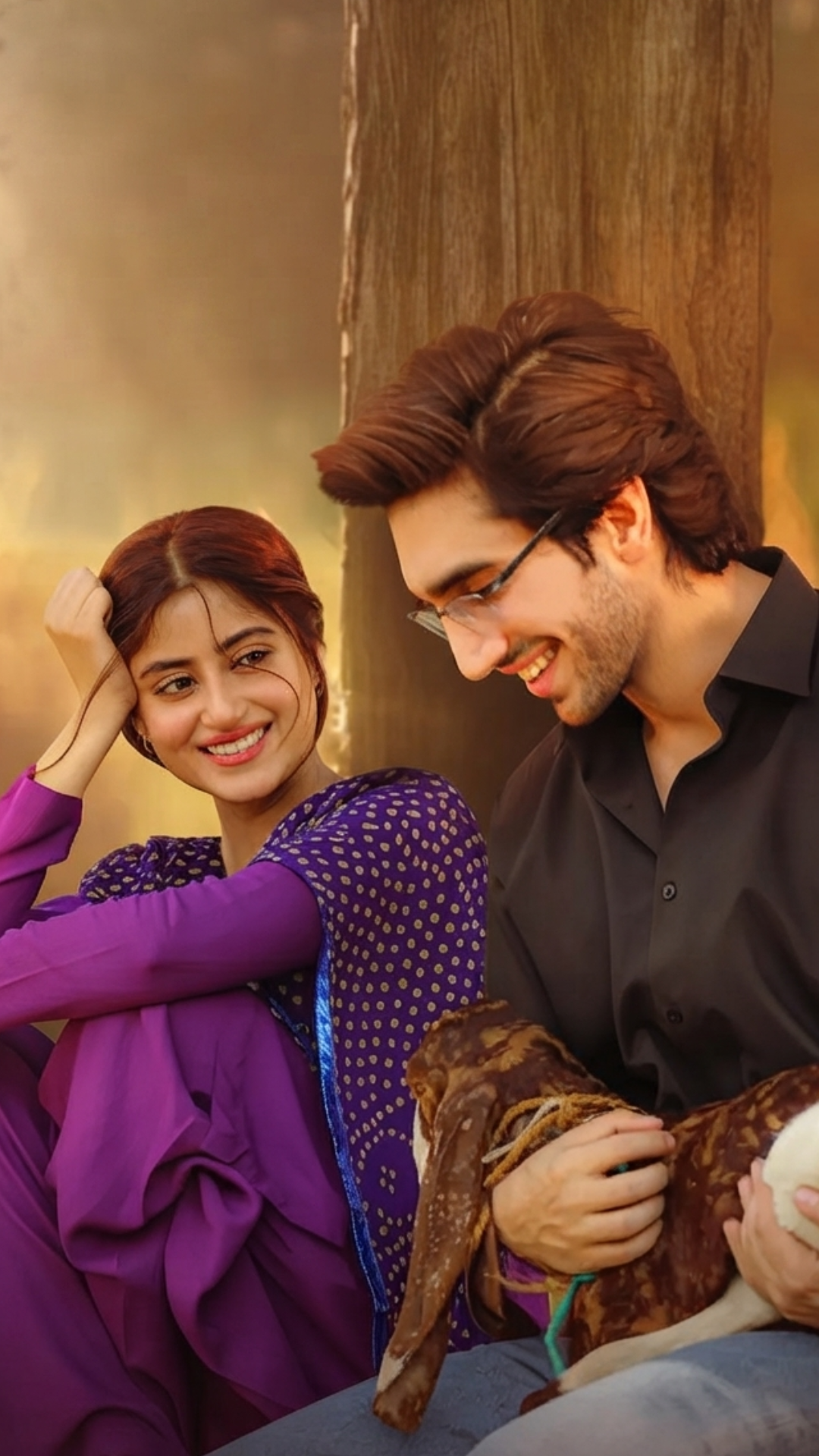
The narrative follows Maimoona, known as Meenu, a bright and determined young woman living in a remote village. In a setting where girls often face limitations on their dreams, Meenu fights hard for her education. Her journey reveals real barriers, such as family pressures and lack of resources, alongside her courage and resourcefulness in overcoming them.
Her life transforms when Dr. Nofil, a doctor from the city, arrives in the village with a desire to improve the local healthcare system. Together, they confront issues like medical neglect, outdated traditions, and corruption. Their growing friendship evolves into a respectful partnership based on shared goals. The story, rooted in village life, carries a message that is universally understood: when people care and work together, communities can become stronger.
What sets this drama apart is its portrayal of slow, realistic change. It does not present one hero saving everyone overnight. Instead, it emphasizes teamwork, learning, and the small steps that lead to significant improvements. The village itself becomes an important character. Its dusty paths, simple homes, and the hopes of its residents resonate with many viewers.
Powerful Performances That Bring Characters to Life
Sajal Ali delivers one of her best performances as Meenu. She shuns city-style glamour and fully embodies a village girl. Her expressions, speech, and quiet strength make Meenu a character audiences root for from the first episode. Viewers witness her excitement for learning, frustration with obstacles, and joy in small victories. It is a raw, believable role that highlights why Sajal is one of Pakistan’s leading actresses.
Hamza Sohail portrays Dr. Nofil with calm confidence and genuine emotion. He reflects the doctor's dedication to helping the village while revealing his own doubts and growth. Their chemistry feels natural and respectful, focusing on understanding and shared purpose instead of melodrama. This approach made their relationship one of the most beloved aspects of the show.
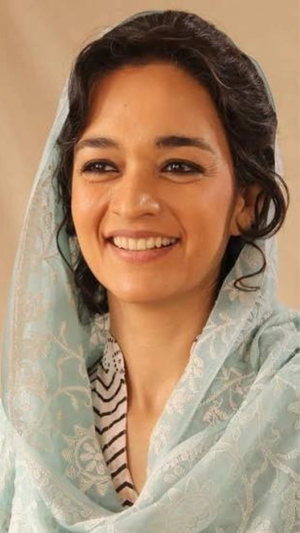
The supporting cast provides great depth. Rehan Sheikh captures the complex feelings many parents experience when traditions clash with new ideas. Other actors, including Samiya Mumtaz and others in the ensemble, contribute to a complete picture of village life, showcasing its relationships and challenges. Each character feels real, with strengths and weaknesses.
Important Themes Presented with Care
Zard Patton Ka Bunn addresses serious social issues without sounding preachy. It illustrates the significance of girls' education, improved healthcare access, and family planning through the everyday lives of its characters. These topics naturally integrate into the story, rather than feeling tacked on.
One memorable line encapsulates the drama's essence: “Parhai sirf mardon ka haq nahi hoti, ilm har us insaan ka haq hai jo seekhna chahta hai.” (Education is not only the right of men; knowledge is the right of every person who wants to learn.) This simple truth drives the entire series.
The show also examines how families change when they support education. It explores the importance of communal effort in tackling long-standing issues. By emphasizing hope and practical solutions, it encourages viewers to think positively about change in their own lives and communities. The Kashf Foundation's involvement ensured these messages arose from a genuine understanding of the issues.
Beautiful Music and Visuals
The title track perfectly sets the mood for the drama. Its folk-style music and emotional lyrics connect viewers to the rural setting and the blend of struggle and hope in the story. The music feels authentic and lingers long after watching.
Visually, director Saife Hasan crafts a world that looks and feels real. The camera captures the natural beauty of the Pakistani countryside—golden fields, simple homes, and changing seasons—while also depicting the hardships of village life. The lighting, colors, and cinematography make every scene feel cinematic yet honest. This attention to detail deepens viewers' connection with the characters and their environment.
Strong Impact and Lasting Legacy
Zard Patton Ka Bunn concluded in late October 2024 with a satisfying final episode that offered meaningful closure for its characters. The 25-episode series left a strong impression. It received several awards at the HUM TV Awards, including recognition for Best Drama Serial (Jury), direction, and writing. These honors celebrated its quality and social relevance.
On digital platforms, the drama attracted impressive viewership. Reports indicated it reached significant milestones on YouTube, with strong audience engagement appreciating its quality. While exact numbers vary, its success extended beyond views—it sparked important conversations about education and women’s rights in many homes.
The finale was praised for staying true to the story's spirit. It provided hope without easy answers, illustrating that real progress demands time, effort, and courage from many individuals.
Why This Drama Matters Today
In a time when many seek meaningful entertainment, Zard Patton Ka Bunn highlights television's power to reflect society and promote improvement. It avoids common pitfalls of exaggerating issues or crafting overly perfect characters. Instead, it presents relatable people confronting real problems with dignity and determination.
The drama’s focus on education as a basic right is especially significant in Pakistan, where many girls still encounter challenges to accessing schooling. By showing the benefits for the whole community, it encourages families and leaders to support education for everyone. Its thoughtful treatment of healthcare and family matters adds value for viewers looking for stories with substance.
For fans of quality Pakistani dramas, this series joins the ranks of thoughtful works that go beyond mere entertainment. It respects the intelligence of its audience and trusts them to understand complex ideas through simple, human stories.
A Story Worth Remembering
Zard Patton Ka Bunn demonstrates that even during challenging times, stories about hope and hard work can shine brightly. Meenu’s resolve to study and Dr. Nofil’s commitment to service illustrate how individual dreams, supported by others, can uplift entire villages. Their journey emphasizes both the struggle for education and the gradual development of understanding among people.
This drama will be remembered not only for its awards or viewership but for its ability to make viewers care about real issues. It leaves us with the message that every person, like the autumn leaves in its title, has the potential to grow and contribute, regardless of difficult circumstances.
As Pakistani television continues to evolve, shows like Zard Patton Ka Bunn set a high standard. They remind creators and audiences alike that the best stories entertain, educate, and promote positive change. If you have not watched it yet, now is the perfect time to experience a drama that truly makes a difference.