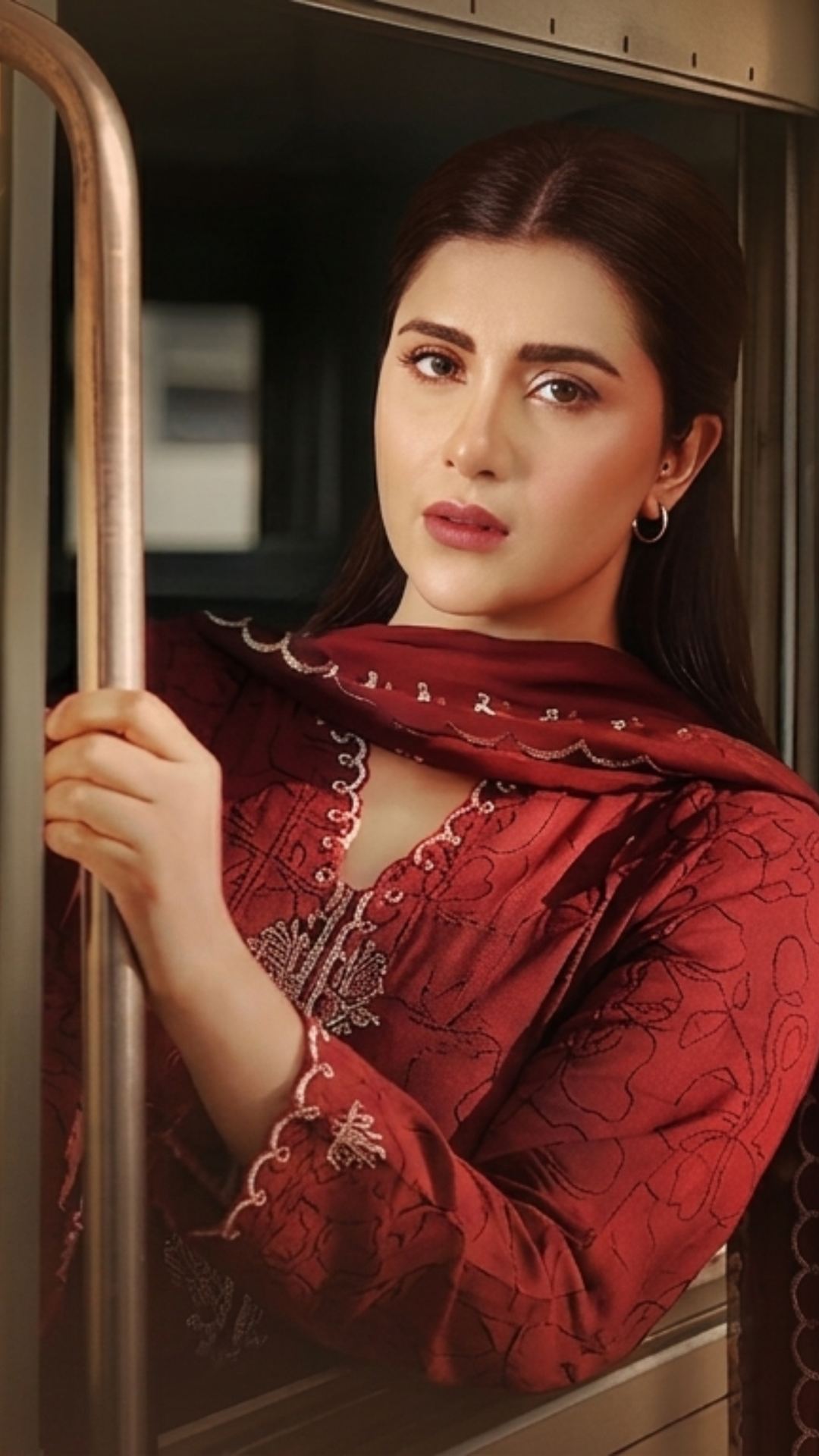
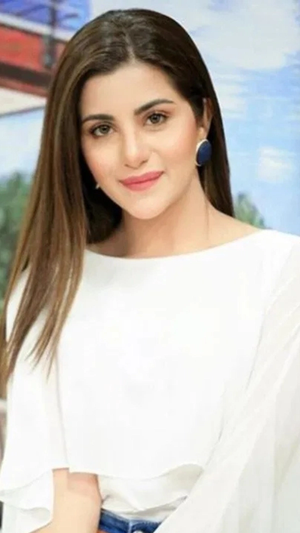
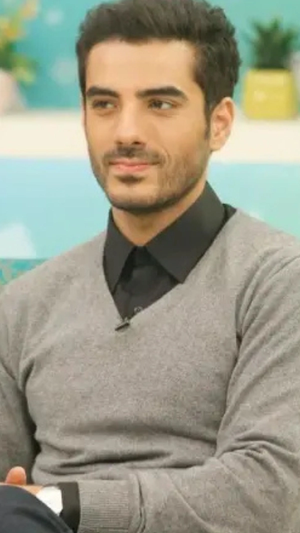
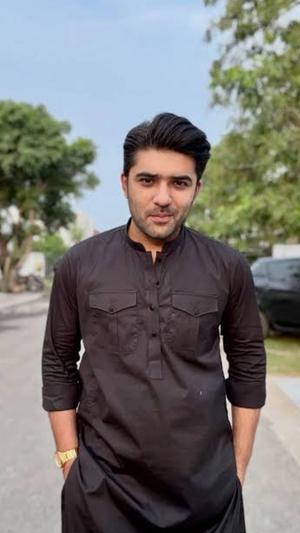
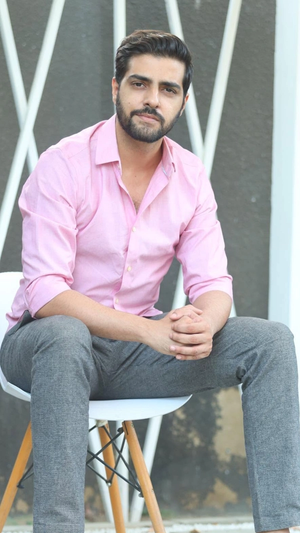
In the vibrant world of HUM TV’s prime-time programming, where stories about women often focus on domestic struggles and quiet endurance, Sirf Shabana shines as a standout exception. Premiering on March 24, 2026, in the competitive Monday and Tuesday 8:00 PM slot, this flagship production from Moomal Productions and Momina Duraid Productions brings a refreshing change for Pakistani drama fans. Written by the talented Sanam Mehdi Zaryab and directed thoughtfully by Aabis Raza, the series breaks away from conventional storytelling. It combines a gritty fight for personal freedom with well-timed moments of dark comedy, creating a narrative that is both empowering and entertaining.
The Narrative
Sirf Shabana follows the remarkable and tumultuous journey of an educated, fiercely independent yet deeply sensitive young woman raised by her aunt and uncle in the small town of Hasilpur. Unlike the usual crying heroines, Shabana is a determined individual who works two jobs, including managing her uncle’s shop, to forge her own path. The story focuses on her simple yet radical quest: the right to define her own name and identity without relying on a father, a husband, or rigid societal expectations. A memorable line from the show highlights her unwavering belief:
“Mera naam kisi ke sahare ka mohtaj nahi... main sirf Shabana hoon.”
Her life changes when she meets Kabir, a serious corporate businessman from Karachi who deals with family issues, and Bawla, a colorful local poet who runs a neighborhood paan shop. Rather than following a typical love triangle, the drama emphasizes personal growth, ideological clashes, and individual development. As Shabana transitions from the lively, community-filled streets of Hasilpur to the cold, elite corporate world of Karachi, the show sheds light on the legal, marital, and bureaucratic challenges women face in a patriarchal society. For many viewers, it feels refreshingly realistic and relatable.
Character Analysis
The success of Sirf Shabana largely rests on the outstanding performance of Sohai Ali Abro, making a noteworthy return to prime-time TV. She portrays Shabana with a perfect mix of strength, sharp humor, and subtle vulnerability, bringing to life a character free from clichés who captivates with her straightforward delivery. Sohai establishes Shabana as an instant icon of female empowerment.
Adeel Husain gives a subtly layered performance as Kabir, showcasing the restraint and sadness of a corporate leader dealing with family pain. His emotional depth creates an intriguing contrast with Shabana’s external struggles.
Durab Khalil stands out as Bawla (Bilal). With his poetic charm, quirky personality, and street-savvy humor, he adds light-hearted, dark-comedy elements that balance the more serious themes. Fans praise his ability to steal scenes and bring warmth to the story.
The supporting cast adds real depth, especially in the dynamic between Shabana and her sister Shahana, who conformed to traditional marriage and lost her identity, and her supportive cousin Hina, who views Shabana as a role model. These relationships enhance the authenticity of the family dynamics.
Themes & Social Commentary
Sanam Mehdi Zaryab’s script deserves recognition for its insightful critique of domestic conditioning. Sirf Shabana directly confronts the societal pressures that compel women to relinquish their surnames and identities upon marriage. It has sparked thoughtful online discussions about the legal challenges single women face regarding national identification and autonomy.
By depicting Shabana’s financial independence as essential, the drama powerfully argues that true empowerment arises from the courage to shape one’s own future. This message resonates with Pakistani audiences who navigate similar societal expectations, reminding us that true strength often lies in quiet, ongoing resistance rather than loud rebellion.
OST & Aesthetic
Visually, director Aabis Raza has created a striking high-contrast experience. The vibrant, lively alleys of Hasilpur contrast sharply with the sleek, sterile elite areas of Karachi, mirroring the characters’ emotional landscapes. The opening sequence—a dark-comedy scene involving a missing groom—sets a memorable tone that stays with viewers.
The original soundtrack, produced by HUM TV’s music division, beautifully combines independent spirit with melancholic themes, becoming a digital hit and a fitting accompaniment to emotional scenes.
Final Verdict
As Sirf Shabana continues airing its first-run episodes, nearing Episode 28 by late June 2026, it remains a leading program in prime-time slots. Digitally, it performs impressively, with the premiere attracting millions of views and weekly episodes consistently gaining hundreds of thousands to over a million on YouTube.
Critics and fans celebrate its strong characters, witty dialogues, quick pacing, and empowering themes. It is already generating buzz as a potential contender for awards in acting, writing, and serial categories.
Sirf Shabana is a remarkable, top-tier production that stands out as an empowering gem in modern Pakistani television. It reminds us why we cherish these stories—the courage to challenge norms, the humor found in everyday struggles, and the inspiration that one woman’s fight can ignite in many. Here at Agahi Talks, we are fully invested in Shabana’s journey and support her every move.
Fellow drama fans, has Sirf Shabana inspired you too? Who is your favorite character—Shabana’s fiery spirit, Kabir’s depth, or Bawla’s charm? Share your thoughts and favorite moments in the comments; let’s celebrate this bold story together!