
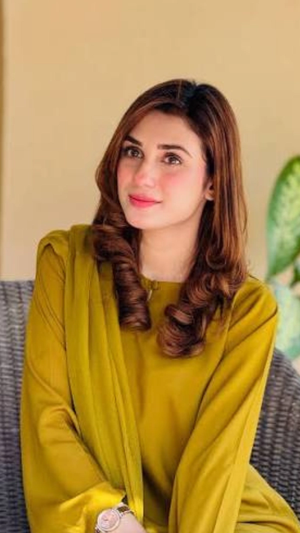
In the competitive world of Pakistani prime-time television in 2026, the 7:00 PM slot saw fierce viewership battles. ARY Digital’s Rehmat stood out as a drama rich in emotional depth and empowering messages. It premiered on March 30, 2026, and wrapped up its impactful 84-episode run in June. This Big Bang Entertainment production focused on the strength of daughters facing patriarchal challenges. Directed by Naveed Ali Khan and written by Mehreen Sheikh, the series told a refreshing story that celebrated resilience, self-reliance, and family ties without leaning into excessive drama.
Similar to the socially aware family dramas discussed in thoughtful critiques from Dawn or character-driven talks on platforms like IMDb, Rehmat shifted traditional views about gender roles. It showed daughters not as burdens but as true blessings—rehmat—who step up to lead and heal their families, which resonated strongly with audiences in Pakistan and abroad.
The Narrative: From Abandonment to Empowerment
The story centers on Parishay, the oldest of three sisters. Her life changes dramatically when her father leaves the family to seek a son with another marriage. Instead of giving in to despair, Parishay becomes the family’s steady support. She takes on responsibilities while dealing with societal biases. Her life intersects with Bari, a principled young man from a wealthy family. His presence challenges her guarded perspective and introduces ideas of partnership, growth, and mutual respect.
The drama effectively balances personal journeys with broader family issues. It avoids using one-dimensional villains and instead focuses on systemic pressures and internalized expectations. It highlights the sisters’ determination to redefine their worth, blending moments of struggle with quiet victories and hopeful connections. This realistic approach makes the story both uplifting and relatable.
Character Analysis: Breakthrough Performances and Authentic Dynamics
Hina Tariq gives a remarkable performance as Parishay. She captures the exhaustion, quiet dignity, and strong resolve of a daughter pushed into leadership. Her portrayal received widespread praise, with fans sharing clips of her confronting conservative views. Junaid Khan brings warmth, charm, and independence to Bari. He serves as a supportive romantic and personal counterpart, enhancing rather than overshadowing Parishay’s growth.
The supporting cast, including veterans like Shahood Alvi and Ismat Zaidi, adds authenticity to the family interactions. They introduce layers of generational tension and familiarity. This ensemble work ensures that the household feels real, making the sisters’ challenges and triumphs resonate with viewers who see similar dynamics in their lives.
Themes and Social Commentary: Daughters as Blessings
Rehmat acts as a timely response to lingering societal preferences for sons. It instead highlights the immense value and potential of daughters. The drama promotes female empowerment through practical resilience, self-reliance, and sisterly support, encouraging viewers to reconsider gender roles and family duties. It stresses that a daughter’s worth comes from her actions and character, not from outside approval.
A powerful line captures the emotional heart of the series: the pain of hidden wounds from loved ones and the strength found in perseverance. Through this, the show promotes healing, restructured family models, and the transformative power of nurturing daughters, providing a hopeful yet realistic vision of progress.
OST and Aesthetic: Emotional and Accessible
The OST, especially the song “Ki Haal Hoeya Iss Dil Da,” performed passionately by Schumaila Rehmat Hussain and Junaid Khan, became a beloved track that underscored the themes of heartache and hope. It served as a melodic emotional anchor throughout the series. Visually, the production upholds ARY’s high standards with a clean, modern urban aesthetic. Focused cinematography showcases expressive performances, ensuring emotional clarity and accessibility without unnecessary embellishments.
Final Verdict: A Resonant and Empowering Success
When Rehmat concluded in June 2026, it left a lasting legacy as one of the most cherished and successful family dramas of the year. Its strong performances, enormous digital reach (over 180 million cumulative views), and satisfying ending demonstrated the audience’s demand for stories that celebrate resilience rather than suffering. For those seeking engaging and meaningful entertainment, it remains a top recommendation.
Rehmat reminds us that daughters often represent the greatest blessings. They possess immense strength, leadership, and healing potential when given the chance to shine.
Parishay’s transformative journey and her unwavering defense of her sisters provided powerful moments of inspiration and empowerment. Did her story change your view on family roles? Which scene of her resilience impacted you most? Share your thoughts on this heartfelt drama in the comments below; we value your insights.