

In the lively world of weekend television, where viewers look for stories that reflect the realities of modern families, Mere Paas Raho Tum has become a comforting but intense ritual. It premiered on April 3, 2026, on Express Entertainment, showing every Friday, Saturday, and Sunday at 9:00 PM. This flagship production from Sunrise Productions is produced by IVYStar Media and Babbar Javaid (BJ) Productions. Ramis Tanveer writes the series, while Shariq Yousuf Thara directs it with sharp pacing. The show avoids tiring repetitive twists and instead presents a thoughtful, character-driven exploration of love, sacrifice, and the delicate bonds within extended families. It resonates with the everyday struggles and joys we see at home.
The Narrative
The emotional heart of Mere Paas Raho Tum explores the painful compromises necessary to maintain peace at home when personal desires clash with family expectations. A resilient young woman stands at the center, navigating conflicting family loyalties. Her romantic connection with the male lead faces constant tests from real-life pressures. Instead of relying on dramatic villains, the show depicts very human issues, like misunderstandings and societal expectations, that subtly challenge even the strongest relationships. A key line captures the essence of the show:
“Rishtey sirf banaye nahi jaate... unhein har imtihan se guzarna parta hai.”
As the plot progresses, it creates emotional tension that forces characters into tough decisions. The drama shifts smoothly between busy urban scenes and warm family homes, reflecting the social realities many Pakistani families encounter today. For fans who enjoy stories that mirror our lives, this show feels genuine and heartfelt without excessive drama.
Character Analysis
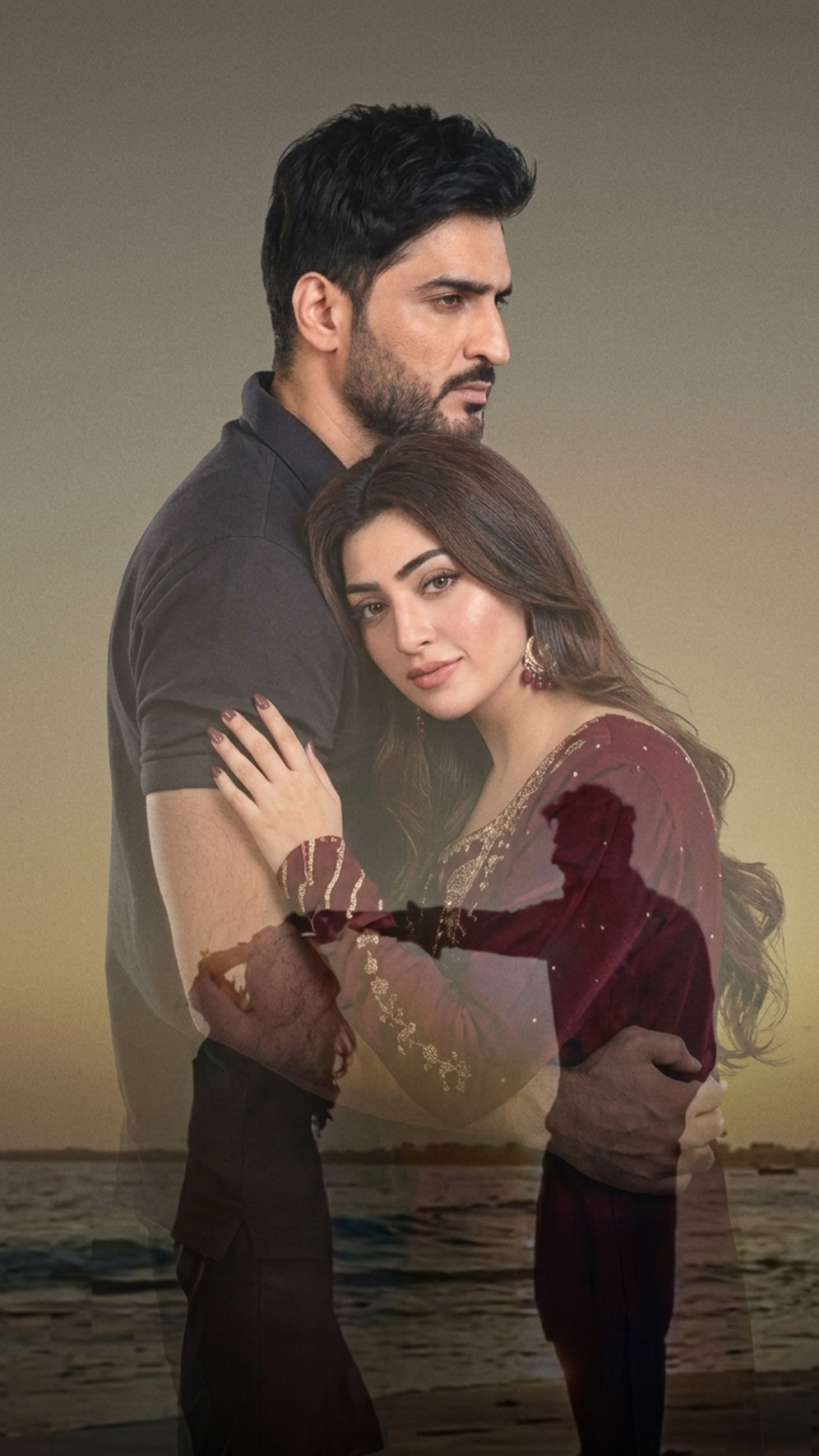
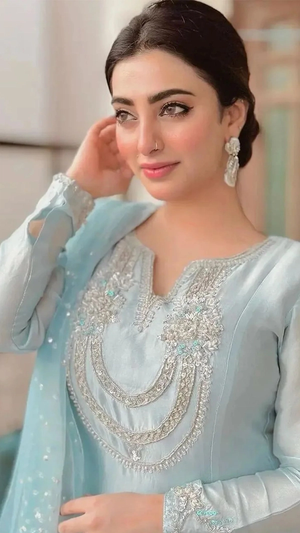
The strong viewer affection for Mere Paas Raho Tum comes from its talented cast. Nawal Saeed delivers a powerful, relatable performance as the female lead. She portrays her character with dignity and strength, avoiding submissive stereotypes while fighting for her happiness and respecting family boundaries.
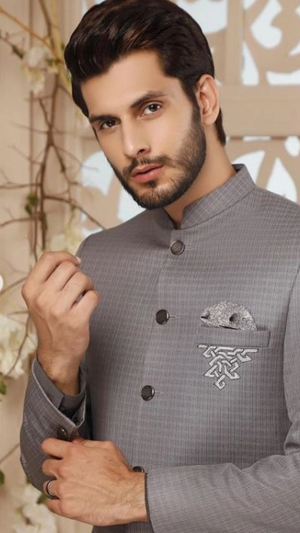
Omer Shahzad complements her as the male lead, displaying an emotional maturity that pushes their romance forward. Their chemistry has won over fans, as they express deep feelings through subtle gestures instead of loud confrontations.
Supporting characters enrich the story. Azekah Daniel, Subhan Awan, and Rahat Ghani introduce necessary tension and emotional depth through secondary storylines that flesh out the multi-generational family dynamic. Veteran actors like Raeed Muhammad Alam, Huma Nawab, Hiba Ali Khan, Salma Asim, and Tabbasum Arif, along with others, create a believable world where every interaction feels genuine and relatable to desi families.
Themes & Social Commentary
Ramis Tanveer’s script is praised for its mature portrayal of relationships. Mere Paas Raho Tum reflects modern Pakistani society, highlighting how trust can break down when pride or societal pressure replaces open communication. It reminds us that genuine love and family bonds thrive not on convenience but on shared sacrifices and the courage to tackle tough conversations.
This realistic approach has sparked discussions among viewers online, where they analyze character choices and debate how couples balance romance and family responsibilities today. It’s the kind of storytelling that lingers in your mind long after the episode ends.
OST & Aesthetic
Director Shariq Yousuf Thara gives the show a polished, cinematic feel despite its fast weekend schedule. Thoughtful lighting and framing emphasize emotional closeness or distance, making the visuals intimate and relatable.
The original soundtrack, produced by Express Entertainment, features warm melodies that enhance the emotional scenes. Romantic edits and dramatic moments with Nawal and Omer frequently trend under #MerePaasRahoTum on TikTok and YouTube Shorts, adding to its online appeal.
Final Verdict
Having aired over 33 episodes by late June 2026, Mere Paas Raho Tum has become a weekend favorite on Express Entertainment. It enjoys a loyal audience both at home and among the diaspora. Episode 1 had strong initial viewership, and weekly episodes have continued to engage audiences across Pakistan, India, the USA, UK, and GCC regions.
Critics and fans appreciate its consistent emotional depth, genuine family dynamics, and absence of unnecessary exaggeration. It’s already creating buzz as a favorite in upcoming award categories.
Mere Paas Raho Tum is a well-crafted, emotionally rich masterpiece. It shows that simple, honest stories can profoundly affect viewers when told with care. It captures why we love Pakistani dramas—the warmth of family, the challenges of love, and the hope that relationships can endure life’s trials. Here at Agahi Talks, we’re enjoying this heartfelt journey and eagerly anticipating each weekend episode.
Fellow drama enthusiasts, has Mere Paas Raho Tum become your weekend essential? Which character or moment has impacted you most—Nawal’s quiet strength or the family ties? Share your favorite scenes or predictions in the comments; let’s keep the conversation going!