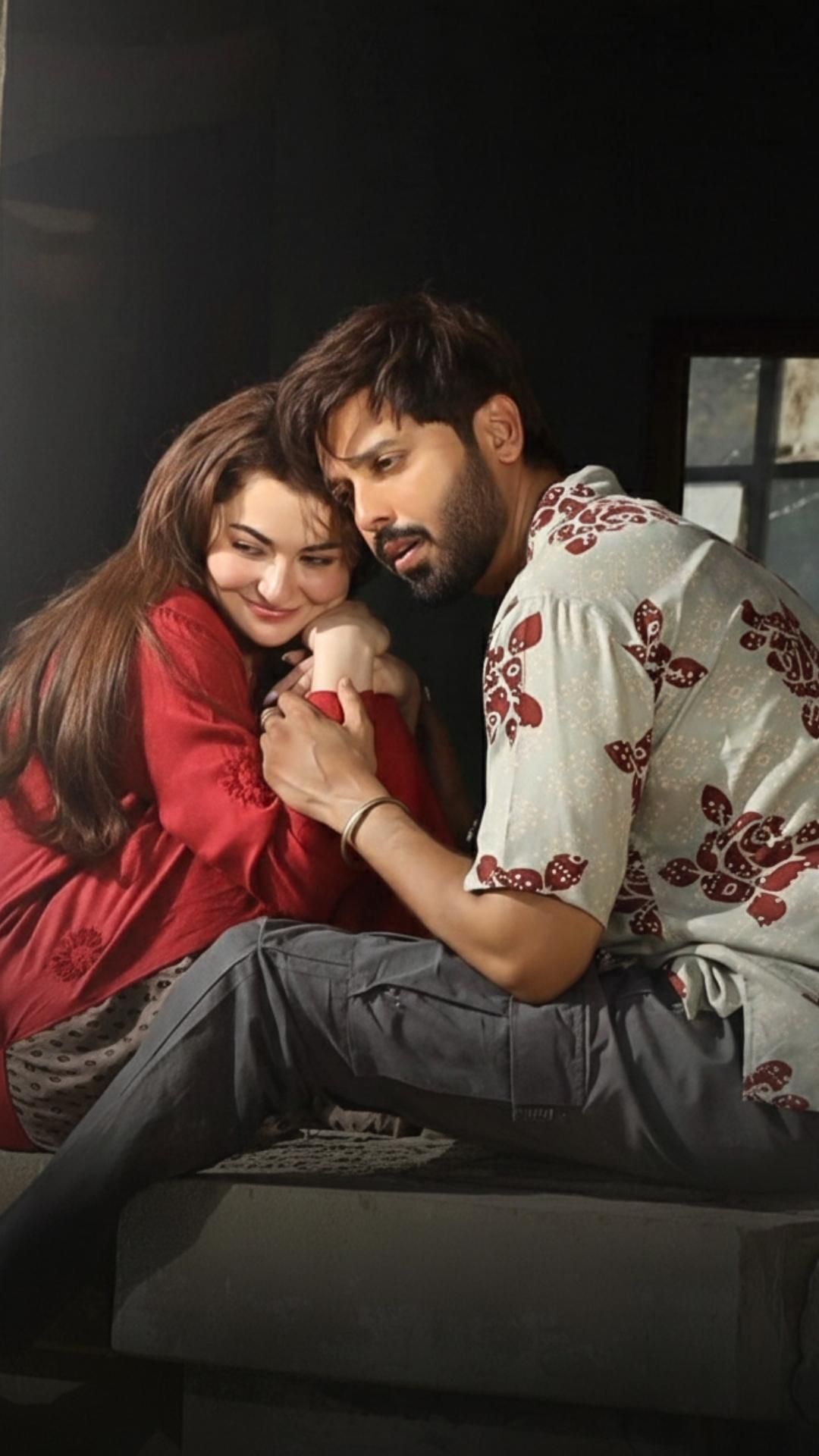

In the lively world of Pakistani prime-time television, some dramas do more than entertain; they resonate with everyday life. When Big Bang Entertainment and ARY Digital released Kabhi Main Kabhi Tum on July 2, 2024, viewers anticipated a solid romance. By the time the emotional finale aired on November 5, 2024, in packed cinemas across the country, it had transformed into a modern classic. This 34-episode treasure, directed with genuine warmth by Badar Mehmood and skillfully written by Farhat Ishtiaq, moved away from loud melodrama. Instead, it provided a slow-burn character study that connected with families and young viewers, both in Pakistan and around the world.
The Narrative & Core Duality
The real charm of Kabhi Main Kabhi Tum comes from its touching "opposites attract" premise, bringing two very different characters together in the busy streets of contemporary Karachi.
Sharjeena is a practical, highly organized top student who values structure, logic, and meeting expectations. In contrast, Mustafa Ahmed is a brilliant but easy-going gamer who navigates life on his own relaxed schedule, often unnoticed by his family.
After heartbreak shatters Sharjeena’s world, the two enter into a marriage of convenience. The early episodes sparkle with domestic adjustments and conflicting personalities. However, as family betrayals, financial struggles, and real-life pressures test them, their relationship deepens into a genuine partnership based on trust and growth. Mustafa’s recurring words to Sharjeena capture the essence of the story:
“Mujhe tum par bharosa hai.”
For Pakistani drama fans weary of repeated themes, this show felt refreshingly genuine. It subtly shows that love isn’t about finding the perfect match but about two people choosing to grow together through life's ups and downs. The narrative respects its audience, reflecting the everyday marital and family struggles many experience.
Character Architecture & Antagonism
Much of the show's broad appeal springs from the strong chemistry between its leads. Fahad Mustafa gives a standout performance as Mustafa Ahmed, returning to television after a long break. He fully embodies a messy, vulnerable, and relatable young man—transforming beautifully from a laid-back gamer to a responsible, protective partner. His character growth is one of the most satisfying arcs we’ve seen in recent years.
Hania Aamir complements him perfectly as Sharjeena. She brings quiet strength and emotional depth, steering clear of typical "suffering bahu" clichés. Her portrayal feels real—a woman who believes in her partner’s potential while maintaining her own dignity. The chemistry between Fahad and Hania, affectionately dubbed #Musjeena by fans, is electric yet natural, making every moment they share compelling to watch.
The supporting cast adds rich layers of authenticity. Emmad Irfani shines as the opportunistic brother Adeel, while Naeema Butt adds fire as the elitist Rubab. Javed Sheikh and Bushra Ansari effectively capture the favoritism and pressures of traditional middle-class parents as Iftikhar and Shagufta. Maya Khan as Sharjeena’s supportive sister Sidra provides warmth and balance. These characters feel familiar—flawed, complicated, and deeply human.
Cultural Impact & Direct Engagement Metrics
Kabhi Main Kabhi Tum became a true phenomenon. It topped ratings, achieving a historic peak of 24.2 TRP during the finale—one of the highest in recent Pakistani television history. The premiere episode experienced impressive early viewership, and the entire series created a remarkable digital footprint, with the official ARY Digital playlist hitting over 1.6 billion cumulative views. The grand finale’s cinema screening sold out and became a celebration that fans still discuss.
At the 24th Lux Style Awards, it won major accolades including Play of the Year, Best TV Actor for Fahad Mustafa, and Best TV Actress for Hania Aamir—well-deserved recognition for its influence. The soulful title track Chal Diye Tum Kahaan by AUR became a chart-topper, filling playlists and inspiring countless emotional fan edits on TikTok and Instagram Reels.
Final Verdict
Looking back, Kabhi Main Kabhi Tum sets a standard for thoughtful storytelling in modern Pakistani dramas. Farhat Ishtiaq’s script and Badar Mehmood’s direction created something special—a narrative that respects viewers, explores real marital dynamics, and celebrates mutual trust and patience. It avoids cheap twists and offers a reflection on the joys and challenges of building a life together.
For fans seeking romances with depth, growth, and relatable characters, this series is a must-watch. Fahad and Hania’s pairing, supported by a fantastic ensemble, delivers laughs, tears, and warmth in equal measure. If you haven’t watched it yet or want to revisit, stream it now; Mustafa and Sharjeena’s journey will remind you why we love Pakistani television. It’s more than just a drama; it reflects life, love, and the trust we place in one another.