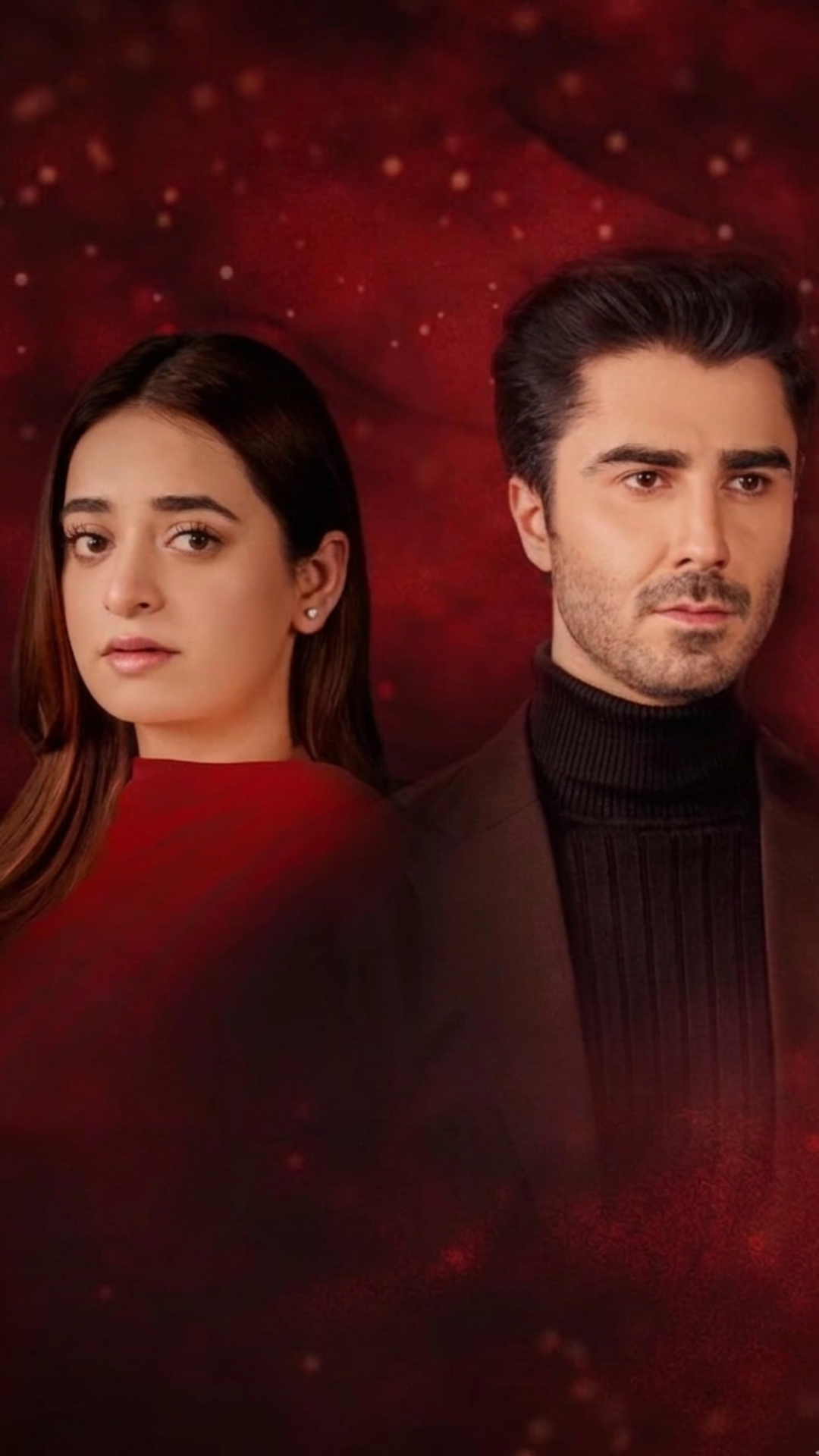
In the competitive world of Pakistani television, where local dramas dominate prime-time slots and engage viewers with emotional depth and complex narratives, HUM TV’s Hadd created a notable, yet polarizing, presence. It aired in the popular 7:00 PM slot, premiering on March 24, 2026, and concluding its gripping 84-episode run on June 18, 2026. Produced by Momina Duraid Productions, Hadd provided an unflinching look at the chaotic mix of passion, obsession, and revenge. Directed by Zahid Iqbal and written by Qaisera Hayat, the drama explored the darker sides of human relationships, showing how the line between unconditional love and harmful fixation often blurs with serious consequences.
At its core, Hadd is driven by intense emotional conflicts, not romantic idealism. The story focuses on Shehraam, played by Nabeel Zuberi, a man caught in a web of shifting loyalties, personal betrayals, and growing stakes. Central to the narrative is his troubled relationship with Zeenia, played by Minsa Malik, whose character represents the dangers of uncontrolled desire. Instead of depicting the gentle growth of love, the series presents love as a destructive force when empathy and restraint are absent. Misunderstandings escalate into major crises, and perceived betrayals lead to cycles of revenge that test the moral and emotional limits of all involved.
The drama shines in its willingness to depict emotional extremes without watering them down. Characters face situations that force them to confront their deepest urges, driven by the need for control, old grudges, or a desperate search for validation. This tense approach turns domestic settings into battlegrounds for psychological conflict. While some viewers valued the raw intensity, others criticized the constant toxicity, sparking ongoing discussions in Pakistani media about the glorification or cautionary representation of dysfunctional relationships in long-form serials.
Character Dynamics and Performances
The success of Hadd leans heavily on its lead actors, who handle a script that requires sustained emotional highs. Nabeel Zuberi gives a nuanced performance as Shehraam, showing the weariness and inner struggle of a protagonist who is always on guard. His journey reflects the fatigue that comes from dealing with love filled with doubt and external pressures, making him a relatable figure amid the chaos.
Minsa Malik's role as Zeenia is one of the most polarizing yet committed performances on recent television. Tasked with portraying a downward spiral into obsession, Malik adds depth to a character that could easily become shallow. Her portrayal of Zeenia is ambitious, passionate, and increasingly unstable, challenging viewers to face the uncomfortable truth that love, when distorted by insecurity and past trauma, can turn dark. This performance sparked significant online debate, with fans discussing the limits of empathy for flawed characters.
Arsalan Asad Butt rounds out the main trio, adding layers of tension and romantic complexity. His character amplifies interpersonal friction, enriching the evolving relationships among the leads. The supporting cast, including veterans like Humaira Bano and Hashim Butt, as well as Robina Naz, Rabia Ali, and Sana Humayun, roots the heightened drama in a believable urban Pakistani setting. Their contributions provide the family context necessary for long-running serials, balancing dramatic confrontations with everyday life.
These performances uplift a story that might otherwise risk melodrama, transforming it into an exploration of human vulnerability. Zuberi and Malik, in particular, show the range needed for such challenging roles, where small changes in expression reveal much about internal struggles.
Themes and Social Resonance
The central theme of Hadd revolves around the dangerous territory of emotional extremes. By focusing on characters who often cross moral boundaries, the drama examines the effects of love without empathy. It suggests that when love becomes a weapon for control or revenge, it swiftly turns into hatred. A recurring theme, highlighted in the show’s tagline—“A thin line separates love and hate, and crossing it can change everything”—serves as both a philosophical anchor and a narrative guide.
In a time when audiences are more aware of critiques of “toxic” relationship dynamics, Hadd encourages reflection on how media depicts volatile connections. Does portraying these extremes serve solely as entertainment, or does it act as a cautionary mirror? The series does not shy away from showing the futility of revenge but rather illustrates how vengeance consumes everyone involved, providing little real resolution. This perspective aligns with broader discussions in Pakistani television about responsible storytelling while delivering the high-stakes drama viewers seek in prime time.
Socially, Hadd reflects current concerns about trust, ambition, and gender roles in urban families. Zeenia’s storyline raises questions about female empowerment—showing both its strengths and dangers—while Shehraam's challenges highlight the pressures on men to maintain control amid emotional turmoil. These elements, woven into a fast-paced narrative, ensure the drama resonates beyond simple entertainment, urging viewers to think about their own boundaries in relationships.
Production Excellence: Music, Visuals, and Direction
Visually, Hadd maintains the high standards associated with Momina Duraid Productions. The sleek urban look—modern spaces, polished interiors, and careful lighting—contrasts sharply with the characters’ inner struggles. This contrast heightens the psychological tension, making home settings feel both desirable and claustrophobic. Zahid Iqbal’s direction keeps a quick pace across 84 episodes, skillfully balancing rising conflicts with character growth.
The soundtrack further enriches the experience. Performed by Arshman Khan and Gulshan Karim, the OST features haunting melodies that reflect the drama’s stifling mood. Strong instrumentation and heartfelt vocals punctuate key emotional confrontations, becoming essential to the show’s cultural impact. The track garnered millions of views online, inspiring numerous fan edits and establishing its presence in the 2026 Pakistani drama soundtrack.
Audience Reception and Legacy
As Hadd ended its run, it left a lasting impression on HUM TV’s 2026 lineup. Critics and viewers pointed out some pacing issues and the enduring intensity of its toxic elements, yet the serial consistently drew in fans of intense, long-form melodramas. Its ability to keep audiences engaged for three months speaks to the compelling nature of its central conflicts and strong ensemble cast.
Online discussions revealed a passionate divide: some praised the bold storytelling and strong performances, while others found the ongoing cycles of vengeance tiring. Yet, this very division highlights the drama’s significance. In a crowded television landscape, Hadd succeeded in igniting conversations about the ethics of showcasing extreme emotions and the delicate balance between captivating drama and problematic representation.
Ultimately, Hadd serves as a key example of the genre’s appeal. It embraces dramatic excess, providing the cathartic release that comes from seeing characters pushed to their limits. For fans of high-stakes tales full of moral uncertainty and relationship turmoil, it offers a deeply engaging experience. The production's polished execution, coupled with its bold themes, ensures it will be remembered as a noteworthy entry in recent Pakistani television history.
Looking back at Hadd, one can see how such stories, though divisive, enrich the landscape of Urdu serials. They challenge viewers to face uncomfortable truths about human nature while delivering the emotional excitement that has long fueled the medium's popularity. As the show concluded on June 18, 2026, Hadd not only entertained but also prompted audiences to consider how much they are willing to sacrifice for love, and at what cost.