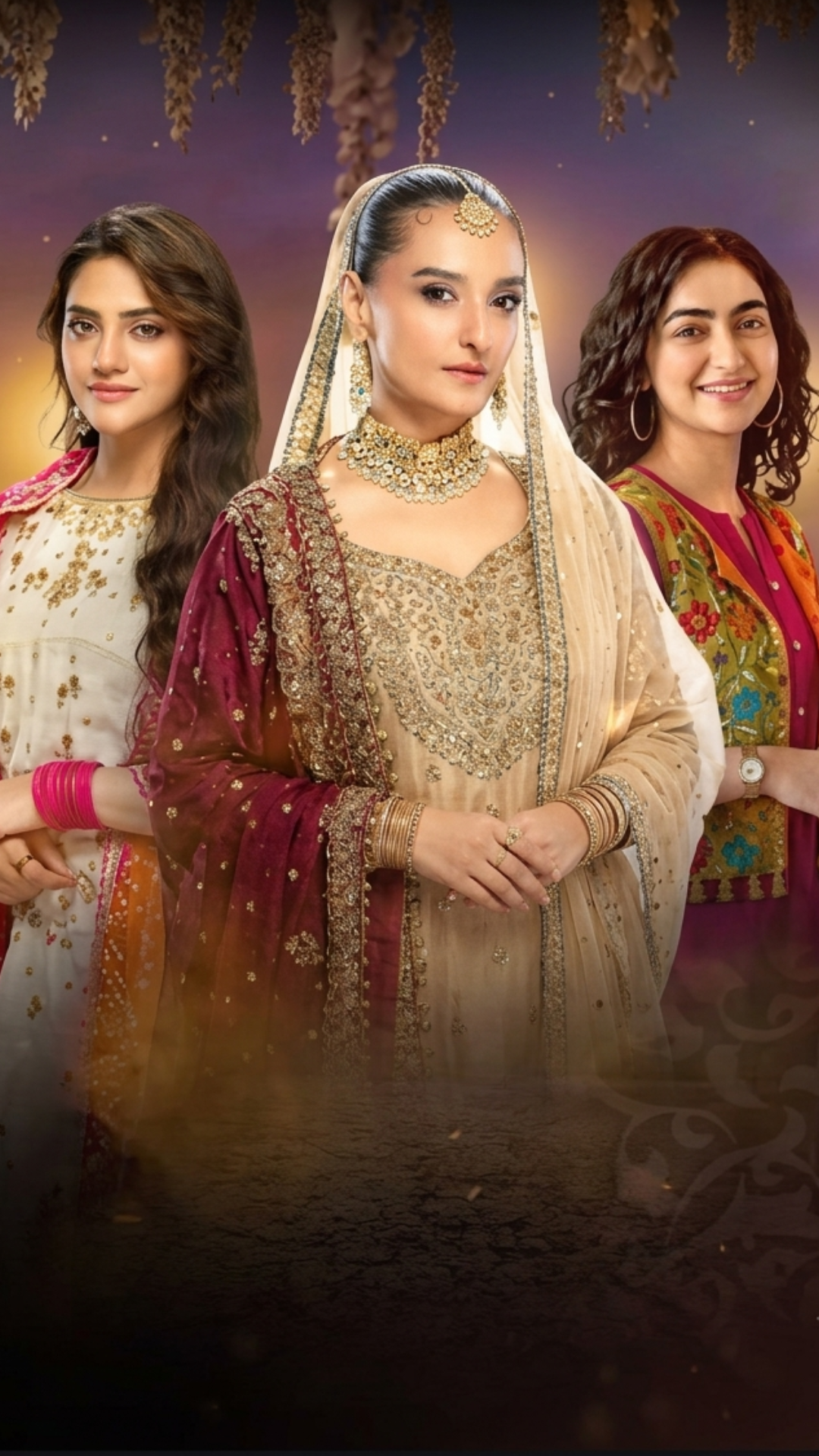


In the constantly changing landscape of Pakistani television dramas, where prime-time slots on channels like Har Pal Geo often reflect social norms and question deep-rooted biases, Beti Ka Ghar Konsa stands out as a timely and thought-provoking addition. It premiered on July 14, 2026. This production from 7th Sky Entertainment has quickly grabbed the audience's attention with its honest depiction of a daughter's search for identity and belonging in a traditionally male-dominated household.
The show is produced by the experienced team of Abdullah Kadwani and Asad Qureshi, written by the well-known writer Seema Ghazal, and directed by Zahid Mehmood. While it explores familiar themes, it also brings a contemporary urgency to the table. Pakistani dramas have been adept at examining family dynamics, and this new offering continues that tradition by focusing on gender discrimination at its core.
The Narrative Core
At the center of Beti Ka Ghar Konsa is a large household dominated by a powerful matriarch, portrayed with impressive intensity by Saba Faisal. Her character represents an outdated worldview that clearly favors sons as the rightful heirs and pillars of the family, while seeing daughters as temporary figures meant to leave. This rigid structure, maintained through years of ingrained beliefs, faces its reckoning when the sons—who have been idealized—start to show their weaknesses.
Momal Sheikh gives a nuanced and empathetic performance as the main female character, a young woman trying to establish her own identity. Her journey highlights the struggle to define “home” not just as a place inherited through male lineage, but as a refuge of personal power and emotional safety. The drama illustrates how societal pressures turn daughters into perceived burdens, shuffled from one guardian to another, rather than valued as important members of the family.
The supporting cast adds depth to this domestic story. Humayoun Ashraf, Ali Abbas, Namra Shahid, and others like Behroz Sabzwari, Khaled Anam, and Majida Hameed create a world filled with layered tensions and conflicts among generations. Their interactions vividly show a household where unspoken histories and gender biases shape every relationship.
Character Depth and Performances
Saba Faisal shines as the drama’s compelling antagonist. Her matriarch is not a simple villain; she is a woman of strong beliefs, whose favoritism towards her sons comes from deeply ingrained values rather than pure malice. Faisal’s performance captures the chilling self-righteousness that sustains these biases, making her a powerful presence whose influence is felt throughout the narrative.
Momal Sheikh complements this with her quiet strength and emotional truthfulness. Her character’s internal conflicts—juggling duty, dreams, and the desire for acceptance—resonate strongly, reflecting the silent strength of many women in similar situations. The supporting performances maintain a high standard, contributing to an ensemble that feels true to the culture of Pakistani middle-to-upper-class families.
Themes and Social Resonance
Beti Ka Ghar Konsa explores the passing down of gender bias, often hidden under misinterpretations of cultural and religious traditions. The show confronts the painful issue of son preference—a theme seen often in Pakistani stories but presented here with new emotional stakes. One memorable line summarizes its message: the belief that a daughter has no home of her own, moving from her father’s to her husband’s, and possibly to her son’s.
By positioning the mother as the main enforcer of these biases, the drama offers a thoughtful critique. It shows how systemic inequalities are kept alive by those who are supposed to be protectors, including women who internalize patriarchal views. This complex approach avoids simple binaries and encourages viewers to think about how such attitudes create lasting harm over generations.
In the wider context of modern Pakistani society, where discussions about female empowerment, inheritance rights, and educational equality are growing, Beti Ka Ghar Konsa feels especially relevant. It reflects the ongoing pressures faced by women who must constantly negotiate their value amid expectations of obedience and impermanence. The show’s exploration of a daughter’s struggle is relatable and reflects the real experiences of many, even as progress towards equality continues at an uneven pace across urban and rural areas.
Production Aesthetics and Craft
Visually, the drama maintains 7th Sky Entertainment’s reputation for high-quality production. The grand but confining mansion serves as a strong metaphor—its luxurious interiors and complicated corridors symbolize both wealth and confinement. Warm color schemes contrast effectively with the emotional coldness of family conflicts, enhancing the storytelling’s immersive nature.
The soundtrack, aligned with the channel’s musical style, supports the emotional highs with poignant melodies that blend traditional elements with depth of feeling. While the early episodes establish a solid foundation, the series will need to evolve its conflicts to avoid falling into repetitive patterns common in the genre.
Early Reception and Cultural Impact
Since its debut, Beti Ka Ghar Konsa has created significant buzz, in line with the strong promotional efforts and teasers leading up to its launch. As a new entry in the prime-time slot, it joins a series of socially aware dramas that historically have sparked national discussions about family and gender issues.
Viewers familiar with Ghazal’s past works may notice echoes of her earlier takes on women’s roles, yet this production benefits from modern casting and production quality. Comparisons to previous serials addressing similar subjects are natural, but the show’s strength lies in its focus on character development and timely themes.
The portrayal of the matriarch’s intense favoritism deeply affects views on family dynamics. It shows how biased treatment can fracture sibling relationships, undermine daughters’ self-worth, and ultimately weaken the very stability the matriarch aims to uphold. This situation prompts audiences to question inherited beliefs and consider the long-term societal costs of such imbalances.
The daughter’s journey, as presented, offers a relatable and compassionate insight into modern pressures. It captures the conflict between tradition and ambition, the emotional toll of proving one’s worth, and the quiet determination needed to claim space in a world that often sees women as temporary. These aspects elevate the series beyond mere entertainment, allowing it to act as a catalyst for reflection.
Looking Ahead
As Beti Ka Ghar Konsa develops in the coming weeks, its story promises deeper explorations of redemption, reform, and resilience. Will the matriarch confront her own flawed beliefs? Can the family redefine home as an inclusive idea? These questions will keep viewers engaged.
In an industry where dramas addressing social issues continue to thrive, this series reaffirms the ability of storytelling to reveal uncomfortable truths. It stands as a testament to Pakistani television's capacity to entertain while encouraging important social reflection. For audiences attracted to emotionally rich narratives reminiscent of acclaimed predecessors, Beti Ka Ghar Konsa provides a compelling, heart-wrenching, and ultimately hopeful look at one of our most persistent cultural challenges.