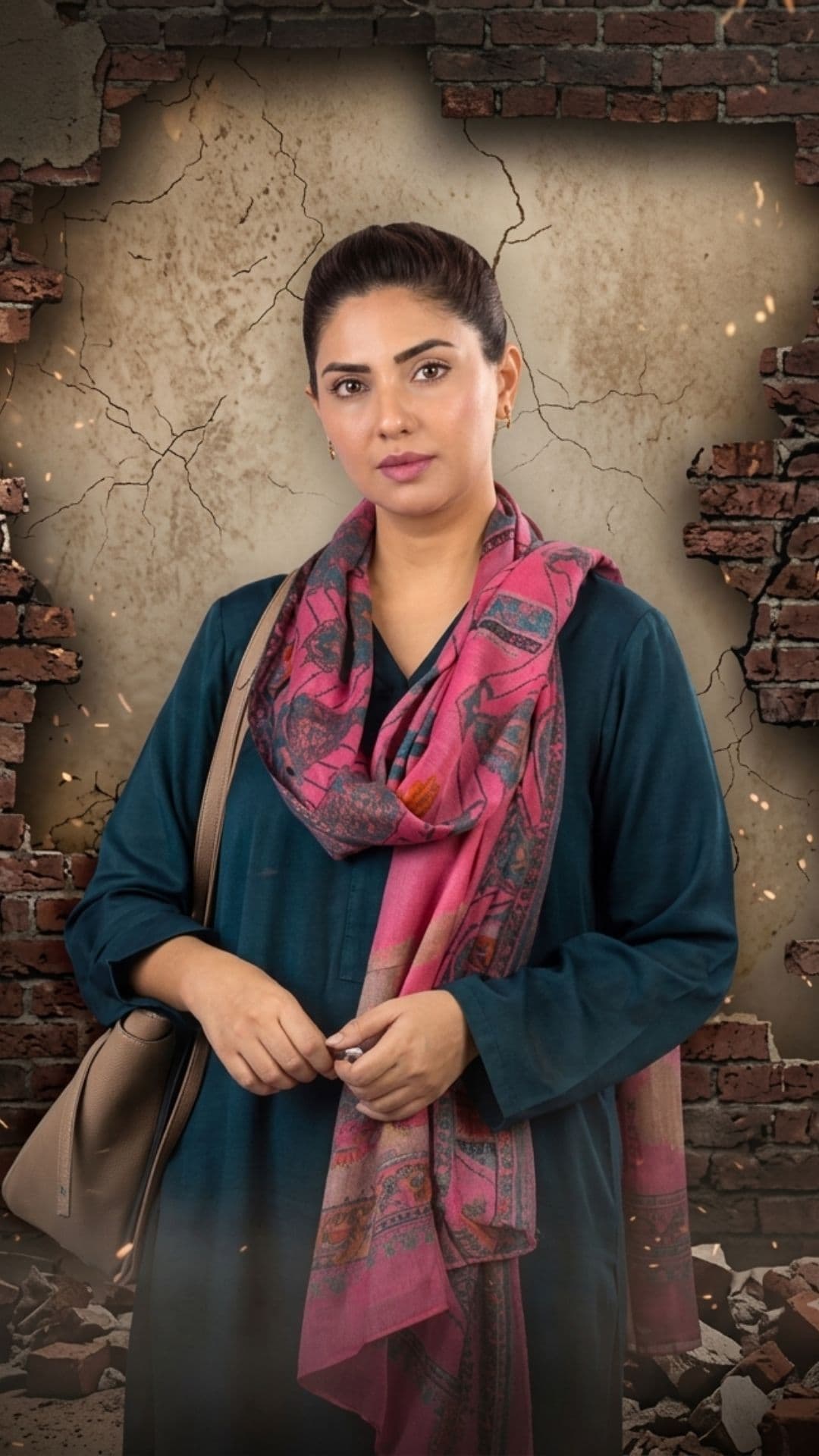

In the competitive world of prime-time Pakistani television, HUM TV has built a strong reputation for telling dramas that explore deep social issues. Its latest show, Deewar, premiered on June 19, 2026, and continues this tradition. Airing daily at 7:00 PM, this drama from Momina Duraid Productions rejects loud, sensational tropes. Directed by Adeel Siddiqui and written by Mamoona Aziz, the show is a grounded social melodrama that examines the walls created by wealth disparity, parental neglect, and rigid class prejudice—issues that resonate with many viewers.
The Narrative
Deewar tells the story of the psychological and emotional barriers that arise when societal pressures meet genuine human connections. We meet Ahmer, a dedicated student from a working-class family, who struggles to support his family while maintaining his dignity. On the other side is Afia, the grown daughter of a wealthy businessman, who, despite living in comfort, lacks her father's emotional support and validation.
As their lives intersect, a tender bond forms, only to face hostility due to their different social classes. Pride, family expectations, and financial disparities become the literal and figurative walls that threaten to keep them apart. Instead of relying on typical romantic plots, the story asks if their individual values and strength can withstand family pressure and societal judgment. A powerful line from the script sums it up:
“Kuch deewarein mitti ki nahi hoteen... log unhein apne ghaurur aur daulat se khari kar dete hain.”
The settings emphasize this contrast, shifting between the grand, emotionally cold homes of the elite and the humble, high-pressure neighborhoods of everyday Pakistan. For fans of Pakistani drama familiar with these class tensions, Deewar feels authentic and impactful.
Character Analysis
The emotional depth of Deewar comes from its relatable cast and characters. Sunita Marshall gives a remarkable performance as Afia, sometimes called Sadia in promotional materials. She captures the complex pain of a daughter yearning for her father's attention, making her defensive strength relatable and moving.
Ali Abbas complements her well as Ahmer, portraying a dedicated young man with quiet dignity. He avoids melodramatic clichés, instead showing the real challenges of balancing studies, family duties, and personal dreams. Their chemistry feels natural and heartfelt, winning the hearts of viewers.
The supporting cast, representing both the elite and working-class worlds, enriches the story. Their interactions make the invisible walls of class and neglect painfully real, adding layers that engage viewers in every episode.
Themes & Social Commentary
Mamoona Aziz’s script is praised for its sharp yet sensitive exploration of social inequalities and parental neglect, especially in wealthy families. Deewar critiques how corporate success and societal pride can break families apart, creating emotional voids that no amount of wealth can fill.
It raises tough questions about the emotional toll on both sides—the isolation felt by the privileged and the daily struggles of the working class. The main message is clear: real wealth lies in emotional bonds and empathy. Building walls of pride and status only deepens loneliness. This realistic approach has sparked important conversations among viewers about family priorities, class divides, and the need to be present for loved ones—conversations that feel timely and necessary in today’s Pakistan.
OST & Aesthetic
Visually, Adeel Siddiqui creates a polished and atmospheric experience. The crisp storytelling and thoughtful framing highlight the emotional distance between characters, giving even quiet scenes a charged meaning.
The original soundtrack, slow and melancholic, matches the drama’s emotional high points. Fan edits focusing on Afia’s resilience and Ahmer’s struggles are trending on TikTok and YouTube Shorts, showing how deeply it resonates with audiences.
Final Verdict
As of late June 2026, with six episodes aired, Deewar has quickly established itself as an early success on HUM TV. The premiere and early episodes have drawn strong viewership, with impressive digital numbers on YouTube (hundreds of thousands to over a million views per episode), creating a loyal following both in Pakistan and among the diaspora.
Critics and fans praise its realistic portrayal of family dynamics, class struggles, and powerful performances. It is generating buzz as a strong contender for writing, performing, and editing awards in the near future.
Deewar stands out as a beautifully crafted piece that departs from typical television formulas with honesty and grace. It reminds us why we cherish Pakistani dramas—the way they mirror our society, explore human connections, and provoke thought long after the credits roll. We are touched by Ahmer and Afia’s journey and look forward to seeing whether these barriers break down or grow stronger.
Fellow drama enthusiasts, has Deewar resonated with you? Do you relate more to Afia’s loneliness or Ahmer’s hardships? Share your favorite moments or thoughts in the comments—we love hearing from you as this story unfolds!